Table of Contents
- Why Diesel Engine Repair Requires Specialized Expertise
- Diesel Truck Repair Maintenance Tips to Extend Engine Life
- Diesel Engine Oil Change Frequency: What Your Truck Needs
- Signs of Diesel Engine Failure to Never Ignore
- What Sets Our Diesel Engine Repair Service Apart
- The Diesel Engine Repair Process at CJ Auto Services
- Conclusion
Last Updated: August 19, 2026
Why Diesel Engine Repair Requires Specialized Expertise
Diesel engines operate fundamentally differently from gasoline engines, demanding mechanics who understand their unique systems and demands. At CJ Auto Services LLC, our ASE-certified technicians possess the specialized knowledge required for proper diesel engine repair because these powerplants involve higher compression ratios, different fuel injection systems, and distinct maintenance protocols that generic mechanics often mishandle.
The misconception that any mechanic can service a diesel truck is precisely where many vehicle owners go wrong. Diesel engines generate tremendous pressure and heat, requiring precision diagnostics and component knowledge that separates competent shops from mediocre ones. A mechanic trained only on gasoline vehicles may miss critical warning signs or apply inappropriate repair methods that damage your engine further.
What most shops won’t tell you: diesel fuel systems operate at pressures exceeding 30,000 PSI in modern engines. One contaminated fuel filter or improper injection timing adjustment can cascade into catastrophic failure. This is why CJ Auto Services LLC invests in diesel-specific training and diagnostic equipment, because your truck’s reliability depends on expertise, not guesswork.
Diesel engines run hotter and produce more torque than comparable gasoline engines. This means cooling systems, transmission components, and suspension parts experience greater stress and require more frequent inspection than owners typically realize.
Diesel Truck Repair Maintenance Tips to Extend Engine Life
Regular maintenance separates trucks that run reliably for 300,000 miles from those that fail at 100,000. The most successful diesel owners follow consistent protocols rather than reactive repair patterns, catching small issues before they become expensive catastrophes.
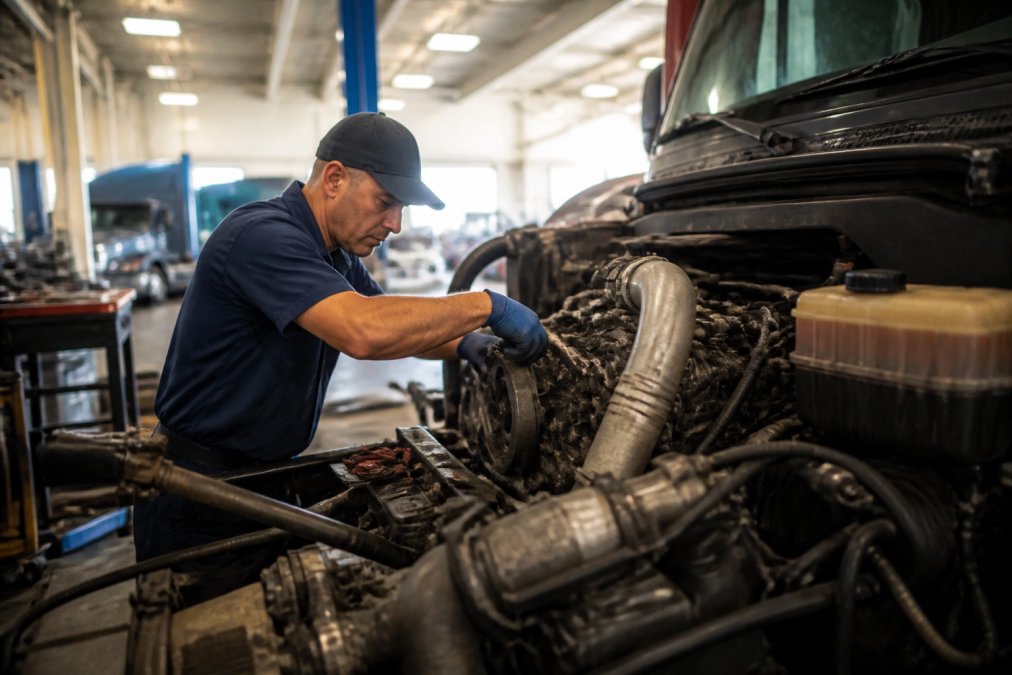
Regular Oil Monitoring and Changes
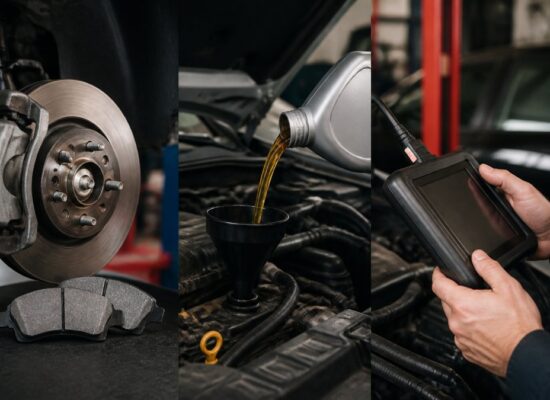
Diesel engine oil does more work than gasoline engine oil, it must handle higher temperatures, greater pressure, and more contaminants from the combustion process. Checking your oil level weekly and scheduling changes at manufacturer intervals protects the most critical component in your engine.
Modern diesel engines typically require synthetic oil changes every 5,000 to 7,500 miles, though some newer models extend to 10,000 miles. Always verify your specific truck’s requirements in the owner’s manual rather than assuming intervals. Using the wrong oil viscosity or type can reduce lubrication effectiveness and accelerate wear on pistons, bearings, and cylinder walls.
The oil filter itself deserves attention. Diesel engines generate more soot and particulate matter than gasoline engines, meaning filters clog faster. Some owners skip this step or use bargain filters that restrict flow, a false economy that starves your engine of protection. Quality filtration costs dollars; engine replacement costs tens of thousands.
Never ignore a darkening oil color or burning smell. Diesel oil naturally darkens faster than gasoline oil, but a burnt odor signals overheating or fuel contamination. Continuing to drive with compromised oil invites bearing failure, which can seize your engine completely.
Fuel System Care
Diesel fuel absorbs water more readily than gasoline, and water in the fuel system causes rust, corrosion, and injector failure. This is why fuel water separators and regular fuel filter changes are non-negotiable maintenance items, not optional upgrades.
Contaminated fuel represents one of the most common causes of expensive diesel repairs. Sediment, water, and microbial growth in fuel tanks create conditions where fuel injectors become clogged or damaged. The cost to replace a set of injectors ranges significantly, but prevention through clean fuel handling costs a fraction of repairs.
Keep your fuel tank at least half full during winter months. A full tank reduces condensation inside the tank, minimizing water accumulation. During colder months, consider fuel additives designed to prevent gelling, diesel fuel thickens in cold temperatures and can block fuel lines if left untreated.
Cooling System Maintenance
Diesel engines produce more heat than gasoline engines, making cooling system efficiency critical. A failing thermostat, low coolant level, or clogged radiator can cause your engine to overheat rapidly, leading to head gasket failure or warping, repairs that cost thousands.
Flush and replace coolant according to your manufacturer’s schedule, typically every 30,000 to 50,000 miles. Use only diesel-specific coolant; mixing types or using incorrect coolant causes corrosion that damages the cooling system from inside. Inspect hoses and belts regularly for cracks or deterioration, as a broken serpentine belt can disable your entire engine in seconds.
Diesel Engine Oil Change Frequency: What Your Truck Needs
The frequency of diesel engine oil change intervals depends on your truck’s model year, engine type, and driving conditions. Older diesel trucks typically require changes every 5,000 miles, while modern engines with advanced filtration systems may extend to 10,000 miles or beyond.
Severe driving conditions, towing, idling, dusty environments, or frequent short trips, demand more frequent changes regardless of manufacturer recommendations. CJ Auto Services LLC recommends checking your oil condition between scheduled changes if you operate your truck under demanding conditions. Dark, gritty oil signals that contaminants have accumulated faster than normal, justifying an earlier change.
Don’t confuse oil change intervals with filter changes. Your filter may need replacement more frequently than your oil, especially in dusty environments. Some owners change filters at 2,500-mile intervals while extending oil changes to 5,000 miles, a reasonable compromise for trucks operating in harsh conditions.
Synthetic diesel oil extends change intervals compared to conventional oil, but the upfront cost is offset by longer engine life and reduced maintenance frequency. The investment pays for itself over 100,000+ miles of ownership.
Signs of Diesel Engine Failure to Never Ignore
Your truck communicates problems through performance changes, sounds, and warning lights. Ignoring these signals transforms minor issues into major failures that strand you on the road or cause permanent engine damage.
Performance and Power Loss
A gradual loss of power or acceleration suggests fuel delivery problems, turbo malfunction, or injection timing issues. These aren’t cosmetic concerns, they indicate your engine is working harder to produce the same output, accelerating wear on internal components.
Black smoke from the exhaust during acceleration signals incomplete combustion, often caused by fuel injector problems or turbocharger issues. White smoke indicates coolant entering the combustion chamber, a symptom of head gasket failure or cracked cylinder head. Either condition requires immediate professional diagnosis before driving further. powertrain warranty coverage.
Difficulty starting, especially in cold weather, points to glow plug failure, fuel system issues, or battery problems. Diesel engines rely on glow plugs to preheat the combustion chamber in cold conditions; a failing glow plug means incomplete combustion and hard starts.
Smoke, Noise, and Fluid Leaks
Blue or gray smoke from the exhaust indicates oil burning inside the combustion chamber, a sign of worn piston rings, valve seals, or turbo problems. This requires prompt attention because oil consumption accelerates wear and can lead to catastrophic failure.
Knocking or rattling sounds from the engine suggest fuel detonation problems, bearing wear, or rod knock. Rod knock is particularly serious, it indicates bearing failure, and continuing to drive will destroy your engine. If you hear metallic knocking from the engine block, stop driving immediately and call for professional help.
Fluid leaks under your truck demand investigation. Diesel engines operate at high pressures, and leaking fuel, oil, or coolant indicates seal failure or cracked components. What appears as a minor drip today becomes a major leak tomorrow, potentially leaving you stranded.
Never ignore a check engine light on a diesel truck. Unlike gasoline vehicles where a light might indicate a minor sensor issue, diesel engine problems often escalate quickly. [Professional diagnosis with diesel-specific diagnostic tools](/engine-diagnostic-service-the-complete-2026-guide-to-your-check-engine-light/) is essential.
What Sets Our Diesel Engine Repair Service Apart
CJ Auto Services LLC approaches diesel engine repair with the depth of knowledge and equipment that this specialized work demands. Our commitment to your truck’s reliability goes beyond standard service procedures.
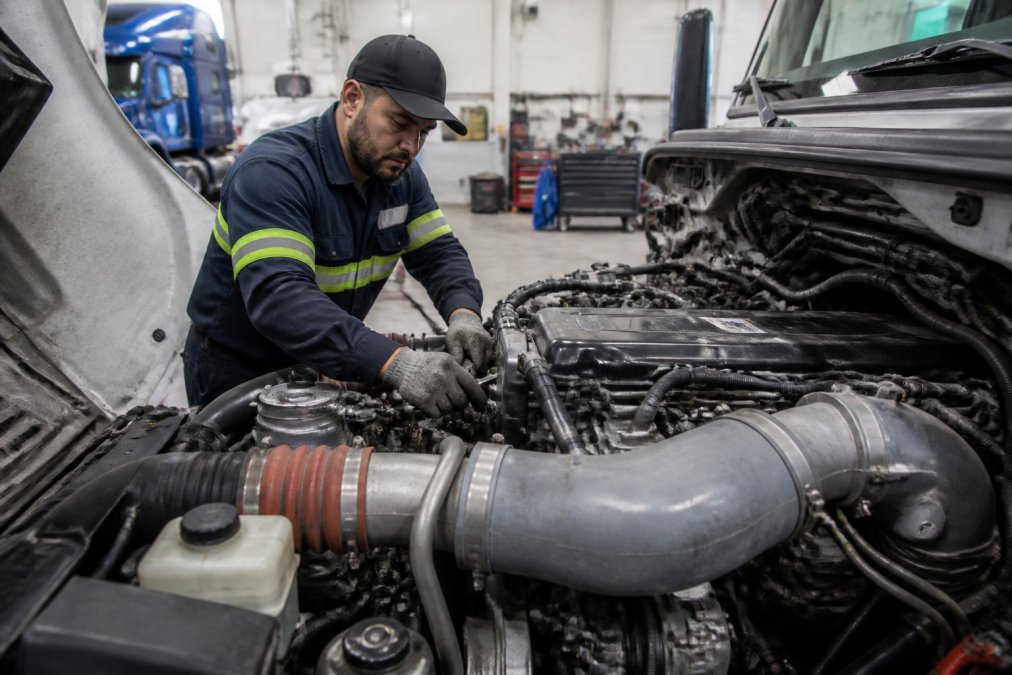
ASE-Certified Mechanics with Diesel Expertise
Our technicians hold ASE certifications specifically in diesel engine systems, not generic automotive repair. This credential requires passing rigorous exams covering diesel fuel systems, turbochargers, emissions systems, and engine diagnostics. ASE certification means your truck receives care from someone who has demonstrated mastery of diesel-specific knowledge.
The difference between a certified diesel mechanic and a general mechanic becomes obvious during diagnostics. Our team uses diesel-specific diagnostic equipment that reads the complex sensor data and fault codes unique to modern diesel engines. This precision identifies root causes rather than symptoms, preventing unnecessary parts replacement and keeping repair costs reasonable.
Transparent Diagnostics and Honest Pricing
We believe you deserve to understand what’s wrong with your truck before authorizing repairs. Our diagnostic process explains findings in clear language, not technical jargon designed to confuse. You’ll know exactly what needs repair, why it needs repair, and what the consequences are if you delay.
Honest pricing means no surprise charges or upselling unnecessary services. We provide detailed estimates before beginning work, and we contact you immediately if diagnostics reveal additional issues requiring your approval. This transparency builds the trust that separates a repair shop you return to from one you avoid.
Same-Day Service and Convenient Scheduling
We understand that your truck is essential to your life and work. Whenever possible, we complete diesel engine repair work the same day you bring your vehicle in. For complex diagnostics or major repairs requiring parts, we provide realistic timelines and keep you informed of progress.
Our free vehicle pick-up and drop-off service eliminates the hassle of arranging transportation while your truck is being serviced. Whether you’re at work, home, or anywhere in the Boynton Beach area, we handle logistics so you can focus on your day.
Truck owners who value reliability and transparency over the lowest price. If you’ve been burned by shops that overcharge or perform unnecessary work, CJ Auto Services LLC’s honest approach and ASE certification provide the peace of mind you deserve.
The Diesel Engine Repair Process at CJ Auto Services LLC
Understanding our service process removes uncertainty and helps you know what to expect when you bring your truck in for repair.
Step 1: Initial Assessment and Diagnostics, When you arrive, our team listens to your description of symptoms and performs a thorough visual inspection. We then connect your truck to diesel-specific diagnostic equipment that reads all sensor data and fault codes. This step typically takes 30-60 minutes and provides the information needed to identify the actual problem.
Step 2: Detailed Estimate, Based on diagnostics, we provide a written estimate explaining what we found, what needs repair, and the cost. We discuss options if multiple repair approaches exist, allowing you to make informed decisions. Our 100% parts and labor warranty backs all work we perform.
Step 3: Repair Execution, Our ASE-certified technicians perform repairs using quality parts and precise procedures. We keep you updated on progress and contact you immediately if we discover additional issues requiring your approval before proceeding.
Step 4: Testing and Verification, After repair, we thoroughly test your truck to confirm the problem is resolved. We check all related systems to ensure no secondary issues were created during repair. Your truck leaves our facility only when we’re confident it’s operating properly.
Step 5: Follow-Up Care, We provide recommendations for ongoing maintenance to prevent future problems. Our team is available for questions after you leave, and we welcome you back for routine maintenance or future service needs.
Diesel engine problems don’t resolve themselves, they compound and cascade into catastrophic failure. When your truck needs diesel engine repair, choosing a shop with genuine diesel expertise and transparent practices protects your transportation investment. CJ Auto Services LLC combines ASE-certified diesel mechanics, specialized diagnostic equipment, and honest service practices to keep your truck running reliably. Schedule your service today and experience the difference that expertise and transparency make. With same-day appointments and free pick-up and drop-off service throughout the Boynton Beach area, getting your truck the care it deserves has never been more convenient.
Frequently Asked Questions
How often should I service my diesel engine?
Diesel engines typically require service every 10,000 to 15,000 miles, depending on your truck's age, driving conditions, and manufacturer specifications. Severe driving conditions like towing or dusty environments may require more frequent service. Our ASE-certified mechanics can review your vehicle's maintenance schedule and recommend the right interval for your specific truck. Contact us to discuss your diesel engine's service needs.
What are the signs that my diesel truck needs engine repair?
Watch for reduced fuel economy, hard starting, excessive smoke from the exhaust, engine knocking or unusual noises, loss of power, and warning lights on your dashboard. Fluid leaks under your truck also indicate potential engine problems. These signs of diesel engine failure should never be ignored, as they can lead to more expensive repairs if left untreated. Bring your truck in for a full computerized diagnosis if you notice any of these symptoms.
Does CJ Auto Services warranty diesel engine repairs?
Yes. We stand behind our work with a 100% parts and labor warranty on all diesel engine repairs. This means you can trust that the work we perform is done right the first time. If any issue arises with the repair, we'll fix it at no additional cost. Your peace of mind is our priority, and our warranty reflects our commitment to quality and honesty.
Are your mechanics experienced with diesel engines specifically?
Absolutely. Our ASE-certified mechanics have specialized expertise in diesel engine repair and maintenance. Diesel engines operate differently from gasoline engines and require specific knowledge and tools. Unlike general repair shops, we understand diesel fuel systems, turbochargers, and the unique maintenance needs of diesel trucks. You won't be sent elsewhere, we handle your diesel engine repair right here in-house.
This article was written using GrandRanker