A warning light that disappears, a brake pedal that feels slightly different, or tires that look fine from the driveway can all be easy to postpone. But small changes are often the first sign that a vehicle needs attention. This vehicle inspection service guide explains what a professional inspection covers, when to schedule one, and how it helps Boynton drivers avoid preventable breakdowns and surprise repair bills.
A good inspection is not about finding work to sell you. It is about getting a clear picture of your vehicle’s condition so you can make practical decisions based on safety, urgency, and budget.
What a vehicle inspection service should include
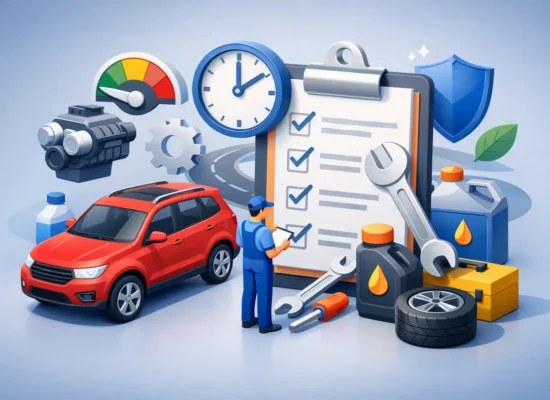
A professional vehicle inspection looks beyond a quick walk-around. The technician checks the systems that affect how your vehicle starts, stops, steers, handles, cools, and protects you on the road. The exact process can vary by vehicle age, mileage, maintenance history, and the concern that brought you in.
Most inspections begin with a visual review and a conversation. If your car pulls to one side, makes noise over bumps, struggles to start, or has an unfamiliar odor, share those details. A symptom that happens only during rain, at highway speeds, or after the engine warms up can help narrow the diagnosis.
The inspection commonly includes the brakes, tires, suspension, steering components, battery, charging system, engine fluids, belts, hoses, filters, lights, wipers, exhaust, and air conditioning performance. A technician may also scan for stored diagnostic codes when a check engine light or other warning indicator is present.
This does not mean every service item requires replacement. Some parts may be working normally but nearing the end of their useful life. Others may be safe to monitor until the next oil change. Clear recommendations should explain the difference between work that needs immediate attention and maintenance that can be planned ahead.
Why inspections matter in South Florida
South Florida driving puts steady demands on a vehicle. Heat can shorten battery life, stress cooling systems, and make air conditioning problems more noticeable. Heavy rain can expose worn tires, weak wiper blades, poor alignment, and brake concerns. Stop-and-go traffic adds wear to brakes, transmissions, and engine fluids.
That is why waiting for a complete failure is rarely the best strategy. A battery can test weak before it leaves you stranded. A small coolant leak can be addressed before overheating causes major engine damage. Uneven tire wear may point to an alignment or suspension issue before you need to replace tires earlier than expected.
Inspections also protect the value of your vehicle. Keeping records of regular maintenance and addressing developing issues can make ownership easier and help support resale value when it is time to sell or trade in.
When to schedule a vehicle inspection
A yearly inspection is a sensible baseline for many drivers, even when the vehicle appears to be running well. If you commute daily, drive high annual mileage, manage a work vehicle, or have an older car, more frequent inspections may make sense.
It is also wise to schedule an inspection before a road trip, after buying a used vehicle, or after your car has been parked for an extended period. A pre-purchase inspection is especially valuable because a clean-looking vehicle can still have hidden concerns with brakes, leaks, tires, suspension, or previous repairs.
Do not wait for a scheduled visit if you notice a safety-related change. Have the vehicle checked promptly if you experience any of the following:
- A brake warning light, check engine light, overheating warning, or flashing dashboard indicator
- Grinding, squealing, clunking, shaking, or a steering wheel that vibrates
- A burning smell, fuel smell, visible leak, smoke, or repeated need to add fluids
- Slow starting, dimming lights, stalling, loss of power, or poor air conditioning
Some warning lights are less urgent than others, but they all deserve an explanation. A flashing check engine light, brake warning light, overheating condition, or major loss of steering or braking control should be treated as an immediate safety concern.
What technicians look for in key vehicle systems
Brakes, tires, and suspension
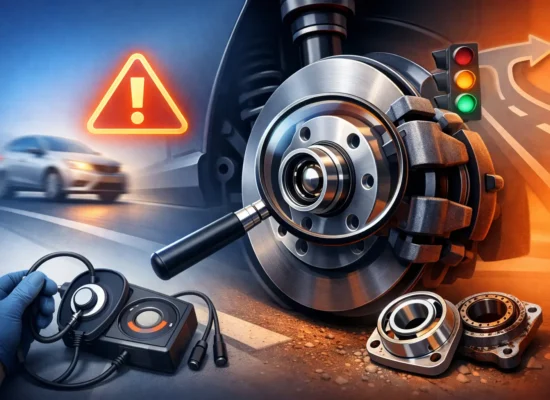
Your braking system is more than brake pads. An inspection can include pad thickness, rotor condition, brake fluid, calipers, hoses, and signs of uneven wear. Brake noise does not always mean the same repair, which is why an inspection matters. Squealing may come from worn pads, while grinding can indicate more serious contact between metal components.
Tires are checked for tread depth, sidewall damage, air pressure, uneven wear, and age-related cracking. A tire can have visible tread but still perform poorly in heavy rain if it is worn unevenly or hardened with age. Technicians also look at alignment and suspension components when the vehicle pulls, bounces excessively, or wears tires too quickly.
Fluids, belts, hoses, and filters
Engine oil, coolant, brake fluid, transmission fluid, power steering fluid where applicable, and windshield washer fluid all play different roles. Low or contaminated fluid can signal a leak, wear, or a missed maintenance interval. Fluid condition alone does not always diagnose a problem, but it gives useful information about the health of the system.
Belts and hoses deserve attention because heat can cause rubber parts to crack, soften, or weaken over time. A damaged belt may affect charging or cooling performance. A leaking hose may lead to overheating. Filters are also reviewed because clogged engine air, cabin air, fuel, or oil filters can affect performance, efficiency, and interior comfort.
Battery, starting, and charging
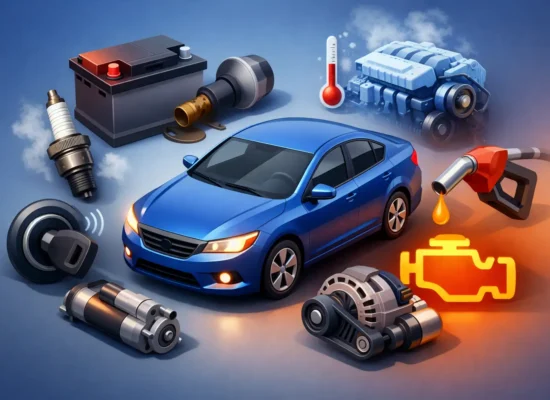
Many drivers assume a battery is fine until the vehicle will not start. A battery test can identify declining capacity before that frustrating morning arrives. The inspection may also check terminal corrosion, cables, the alternator’s charging output, and the starter system.
Battery life depends on heat, driving habits, vehicle electronics, and the battery itself. Short trips can be harder on a battery because it may not have enough time to recharge fully after starting. If your vehicle cranks slowly or needs a jump, get it tested rather than assuming a new battery is the only answer.
Engine, exhaust, and climate control
A visual inspection can identify leaks, damaged components, loose connections, or unusual engine conditions. When a warning light is on, diagnostic testing helps determine why. A code is a starting point, not an automatic repair order. The underlying issue still needs to be confirmed.
Exhaust concerns can range from a noisy muffler to a leak that allows fumes near the cabin. Air conditioning should also be evaluated when it stops cooling consistently, makes noise, or has weak airflow. In Boynton’s heat, air conditioning is not simply a comfort feature. It supports safer, less-fatiguing driving for families, commuters, and people who spend long hours on the road.
How to get the most value from an inspection
Before your appointment, make a short note of symptoms and when they happen. Include noises, warning lights, smells, changes in fuel economy, or recent repairs. Mention whether the issue occurs during acceleration, braking, turning, idling, or after the vehicle sits overnight.
Ask for straightforward priorities. A trustworthy shop should be able to separate safety repairs from recommended maintenance and explain what can reasonably wait. Price matters, but the cheapest option is not always the best value if it skips diagnosis, uses poor-quality parts, or leaves the root cause unresolved.
At CJ Auto Services, the goal is to give drivers a clear explanation and realistic options, not bury them in technical language. ASE-certified service, same-day appointments when available, pick-up and drop-off convenience, and a 100% parts and labor warranty help make regular vehicle care easier to manage.
Keep small concerns from becoming roadside problems
Your vehicle does not need to be making a major noise or showing a bright warning light to deserve attention. Scheduling an inspection when something first feels different gives you more choices, more time, and often a lower repair cost. If you have noticed a change in how your car starts, stops, steers, or cools, let a qualified technician take a closer look before your next busy week puts the decision off again.