Table of Contents
- What Routine Vehicle Maintenance Actually Includes
- How Often Should You Get an Oil Change and Other Fluid Services
- Building Your Car Maintenance Checklist for Every Season
- Maintenance Schedule by Vehicle Mileage: What to Expect
- Signs of a Reliable Auto Repair Shop You Can Trust
- OEM vs. Aftermarket Parts: What Makes the Difference
- Why Preventative Maintenance Saves You Money Long-Term
- Conclusion
Last Updated: August 16, 2026
What Routine Vehicle Maintenance Actually Includes
Routine vehicle maintenance is the systematic care and inspection of your car’s essential systems to keep it running safely and efficiently. It’s not just about fixing problems when they appear, it’s about preventing them before they start.
Most vehicle owners think maintenance means oil changes and tire rotations. That’s part of it, but it’s a narrow view. True routine vehicle maintenance encompasses fluid exchanges, brake inspections, air filter replacements, battery testing, suspension checks, and diagnostic monitoring. Each service addresses a specific system that directly impacts your safety, your vehicle’s longevity, and how much you’ll spend on repairs down the road.
At CJ Auto Services LLC, we’ve seen firsthand what happens when owners skip these routine checks. A car that receives scheduled service runs cleaner, starts reliably, and avoids the catastrophic failures that drain wallets. The difference between a vehicle that lasts 150,000 miles and one that makes it to 250,000 is almost always preventative maintenance.
Here’s what actually belongs on your routine vehicle maintenance list:
- Oil and filter changes, removes contaminants and keeps your engine lubricated
- Fluid checks and exchanges, transmission fluid, coolant, brake fluid, power steering fluid
- Tire rotation and alignment, ensures even wear and stable handling
- Brake pad and rotor inspection, critical for safety and stopping power
- Battery testing and terminal cleaning, prevents unexpected failures
- Air filter replacement, maintains engine performance and fuel efficiency
- Cabin air filter replacement, keeps your interior air clean
- Serpentine belt inspection, prevents engine shutdown from belt failure
- Spark plug replacement, maintains smooth engine performance
- Vehicle diagnostics, catches issues before warning lights appear
The key insight here: these services aren’t optional upgrades. They’re the foundation of vehicle ownership. Skip them, and you’re not saving money, you’re borrowing trouble from your future self.
How Often Should You Get an Oil Change and Other Fluid Services
An oil change every 3,000 to 7,500 miles used to be the standard rule. Modern synthetic oils and improved engine design have extended that interval significantly. Most vehicles now run safely on 7,500 to 10,000-mile intervals, though your owner’s manual is the final authority.
Many vehicle owners get confused because the interval depends on three factors: the type of oil (conventional vs. synthetic), your driving habits, and your vehicle’s age. Aggressive driving, towing, or frequent short trips can shorten intervals. Highway driving with consistent speeds can extend them.
A full synthetic oil change at CJ Auto Services LLC costs $85.00 for up to 5 quarts, and it’s one of the most cost-effective preventative measures you can take. That single service removes sludge, contaminants, and old oil that would otherwise degrade engine performance and lifespan.
Beyond oil, other fluid services follow different schedules:
| Fluid Service | Typical Interval | Why It Matters |
|---|---|---|
| Transmission fluid | 30,000-60,000 miles | Prevents slipping and overheating |
| Coolant flush | 30,000-50,000 miles | Maintains engine temperature control |
| Brake fluid exchange | 20,000-30,000 miles | Ensures responsive braking |
| Power steering fluid | 50,000-100,000 miles | Keeps steering smooth and responsive |
The thing nobody tells you about fluid services is that they’re not all equally urgent. An overdue oil change will damage your engine. An overdue transmission fluid exchange will cost you thousands. But a slightly delayed power steering fluid service won’t cause immediate problems. Prioritize based on your vehicle’s condition and manufacturer recommendations.
Building Your Car Maintenance Checklist for Every Season
Your car experiences different stresses depending on the season. A comprehensive car maintenance checklist accounts for these variations, ensuring you’re prepared for what your vehicle will face.
Spring maintenance focuses on recovering from winter damage. Check your battery (cold weather drains charge), inspect brakes for salt corrosion, rotate tires, and have your air conditioning system tested. Spring is also when you should schedule any alignment work that winter potholes may have caused.
Summer maintenance prioritizes cooling and fluid levels. Heat accelerates fluid breakdown, so check your coolant, transmission fluid, and brake fluid. Inspect hoses and belts for cracks or wear. Verify your air conditioning is working efficiently. Summer driving often means longer trips, so ensure your tires are properly inflated and your brakes are in top condition.
Fall maintenance prepares you for winter. Have your battery tested and terminals cleaned. Replace wiper blades and top off windshield washer fluid. Check your heating system. Inspect tires for adequate tread depth, winter driving demands better grip. This is your last chance to address any issues before cold weather arrives.
Winter maintenance is about survival. Keep your battery in peak condition, ensure your heating works, maintain adequate tire tread, and check your brakes frequently. Winter salt and sand accelerate wear on suspension components, so have those inspected.
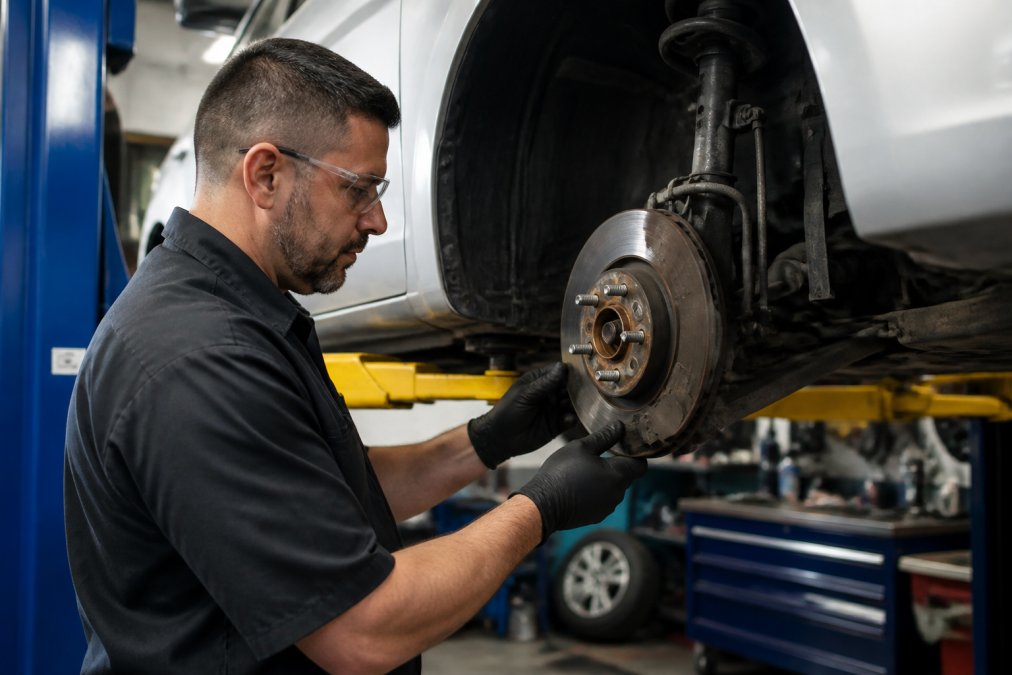
A practical approach: create a simple checklist for each season and review it before that season starts. Many vehicle owners find that setting phone reminders for seasonal maintenance prevents forgotten services. CJ Auto Services LLC can handle all of these seasonal checks in one visit, with same-day appointments and free vehicle pick-up and drop-off available.
Maintenance Schedule by Vehicle Mileage: What to Expect
Your vehicle’s maintenance needs evolve as mileage accumulates. Understanding what to expect at different mileage intervals helps you budget and prevents surprises.
0-30,000 miles: This is your warranty period for most vehicles. Focus on factory-recommended service, oil changes, filter replacements, and fluid checks. Don’t skip these; they’re designed to keep your vehicle in peak condition while it’s still under warranty.
30,000-60,000 miles: Your first major service interval arrives here. Transmission fluid, coolant, and brake fluid may need exchange. Spark plugs might need replacement. Suspension components start showing wear. Have a full vehicle diagnostics performed to catch any emerging issues.
60,000-90,000 miles: This is where preventative maintenance proves its value. Vehicles that received consistent service run smoothly. Those that didn’t start showing drivability issues, check engine lights, and increased repair costs. Major fluid exchanges continue. Brake pads often need replacement by this point.
90,000-120,000 miles: Your vehicle is entering its second major lifecycle phase. Timing belts may need replacement (critical, a failed timing belt can destroy your engine). Suspension components wear out. Transmission performance may decline if fluid hasn’t been maintained. A comprehensive vehicle diagnostics becomes essential.
120,000+ miles: High-mileage vehicles need more frequent attention. Oil changes may need to happen every 5,000 miles instead of 7,500. Brake service becomes more frequent. Suspension repair and steering alignment are common. Many owners find that professional maintenance at this stage extends vehicle life by years.
The real story here: a vehicle at 150,000 miles with consistent maintenance runs better than a neglected vehicle at 80,000 miles. The mileage number matters less than the maintenance history.
Signs of a Reliable Auto Repair Shop You Can Trust
Finding a trustworthy repair shop is harder than it should be. Too many shops hide problems, overcharge for unnecessary work, or use inferior parts. Here’s how to identify a shop that actually deserves your business.
ASE Certification is non-negotiable. ASE (Automotive Service Excellence) certification means mechanics have passed rigorous testing and meet ongoing education requirements. It’s the industry standard for competence. If a shop doesn’t prominently display ASE certifications, that’s a red flag.
Transparent pricing before work begins. A reliable shop provides a written estimate before touching your vehicle. They explain what needs to be done, why it needs to be done, and what it will cost. They don’t surprise you with additional charges after work starts. They answer your questions directly, not with jargon designed to confuse.
A warranty that covers their work. CJ Auto Services LLC backs every repair with a 100% parts and labor warranty. This means if something fails because of their work, they fix it at no cost. A shop that won’t warranty their repairs doesn’t stand behind their quality.
Real communication about what you’re paying for. The question "How do I know you’re actually doing the work you say you’re doing?" is legitimate. A trustworthy shop explains each service step-by-step. They show you the old parts that were replaced. They answer your questions without getting defensive. They understand you’ve been burned before.
Experience with your vehicle type. Diesel trucks need different expertise than compact sedans. High-performance vehicles require specialized knowledge. A shop that services all makes and models, like CJ Auto Services LLC, has the diagnostic equipment and technician training to handle whatever you drive.
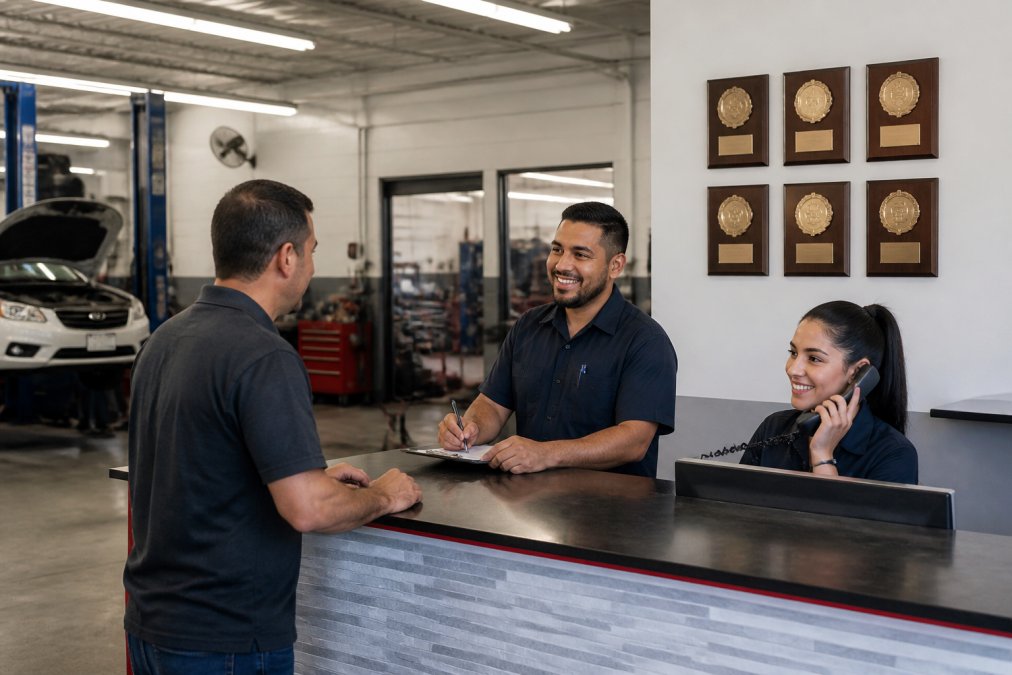
Convenience without hidden costs. Free vehicle pick-up and drop-off sounds like a gimmick until you realize how valuable it is. A shop offering this service isn’t charging you more for the repair to cover it, they’re simply making your life easier. Same-day appointments mean you’re not without your vehicle for days.
Real customer reviews that mention specifics. Generic five-star reviews don’t tell you much. Look for reviews that mention actual experiences: "Got my jeep in quick for a total brake job. Quick, speedy service for an honest price." That’s specific feedback you can trust. CJ Auto Services LLC has earned 130 verified Google reviews from customers who describe exactly what they received.
OEM vs. Aftermarket Parts: What Makes the Difference
When your vehicle needs a part, you face a choice: Original Equipment Manufacturer (OEM) parts or aftermarket alternatives. Understanding the difference helps you make the right call for your situation.
OEM parts are made by your vehicle’s manufacturer. They’re engineered to exact specifications, tested to factory standards, and guaranteed to fit and function correctly. They cost more because they carry the manufacturer’s name and quality assurance.
Aftermarket parts are made by third-party manufacturers. They range from high-quality alternatives that meet or exceed OEM specifications to budget options that cut corners. Some aftermarket parts perform identically to OEM at lower cost. Others fail prematurely and create bigger problems.
The real difference comes down to your vehicle’s age, the specific part, and your risk tolerance. For critical safety components, brakes, steering, suspension, many owners prefer OEM parts because the cost difference is small compared to the safety implications. For wear items like air filters or cabin air filters, quality aftermarket options often make sense.
A common mistake is assuming all aftermarket parts are inferior. That’s not true. But not all aftermarket parts are equal either. A reliable shop helps you navigate this choice. They recommend parts based on your vehicle’s needs and your budget, not on what generates the highest profit margin.
When you need brake pad replacement, CJ Auto Services LLC charges $150.00 for labor on complete maintenance and cleaning. The parts themselves vary based on whether you choose OEM or quality aftermarket options. The shop explains the difference and lets you decide.
Why Preventative Maintenance Saves You Money Long-Term
This is where routine vehicle maintenance makes its strongest case. Preventative maintenance isn’t an expense, it’s an investment that returns money to your pocket.
Consider the math: an oil change costs roughly $85. A timing belt replacement costs $400-800. An engine replacement costs $3,000-5,000 or more. A timing belt fails when it’s not maintained. An engine fails when the timing belt fails. The chain of cause and effect is direct.
Many vehicle owners think they’re saving money by skipping maintenance. They’re actually playing a high-stakes gamble. The odds are terrible. A vehicle with consistent preventative maintenance runs 50,000-100,000 additional miles compared to a neglected one. That’s the difference between selling a vehicle with 150,000 miles and one with 250,000 miles. That’s resale value. That’s reliability. That’s peace of mind.
Here’s what happens with consistent preventative maintenance:
- Your engine runs cleaner and more efficiently, improving fuel economy
- Your brakes respond predictably, improving safety
- Your transmission shifts smoothly, avoiding expensive repairs
- Your suspension handles road stress, preventing alignment and tire wear issues
- Your battery starts reliably, preventing roadside breakdowns
- Your cooling system maintains proper temperature, preventing overheating damage
Each of these outcomes saves you money. Improved fuel economy saves money at the pump. Avoided transmission failures save thousands. Prevented engine damage saves more thousands. The cumulative savings dwarf the cost of routine maintenance.
The other financial reality: vehicle ownership is expensive. But a well-maintained vehicle is significantly cheaper to own than a neglected one. This is true whether you keep your car for 100,000 miles or 300,000 miles. The math always favors preventative maintenance.
Protecting your vehicle’s reliability isn’t complicated, it’s about staying consistent with routine vehicle maintenance. CJ Auto Services LLC makes that consistency easy with same-day appointments, free pick-up and drop-off, and ASE-certified technicians who back every repair with a 100% parts and labor warranty. Whether you need an oil change for $85.00, comprehensive brake service, or full electronic diagnosis for $100.00, we handle all makes and models with the expertise and honesty your vehicle deserves. Schedule Service today and experience the difference that professional, transparent maintenance makes.
Frequently Asked Questions
What is included in routine vehicle maintenance?
Routine vehicle maintenance includes oil changes, tire rotations, brake inspections, fluid checks (coolant, transmission, brake fluid), battery testing, air filter replacements, and scheduled service intervals recommended by your vehicle's manufacturer. These preventative tasks keep your engine running smoothly and catch small issues before they become expensive repairs. ASE-certified technicians can perform a full diagnostic to identify what your specific vehicle needs.
How often should you get an oil change for your vehicle?
Most modern vehicles require an oil change every 7,500 to 10,000 miles or every 6 months, whichever comes first. However, consult your owner's manual for the exact interval your manufacturer recommends, as synthetic oils can extend service intervals up to 15,000 miles. Regular oil changes prevent engine sludge buildup, reduce wear on engine components, and maintain your warranty compliance. Our full synthetic oil change service ($85 for up to 5 quarts) keeps your engine protected.
How do I know if an auto repair shop is reliable and trustworthy?
Look for ASE-certified mechanics, transparent pricing before work begins, a clear warranty on parts and labor, and customer reviews that mention honesty and communication. A reliable shop will explain what your vehicle needs without pushing unnecessary services, provide a detailed estimate, and answer your questions about drivability issues or check engine light codes. Shops offering same-day appointments and standing behind their work with a 100% warranty demonstrate confidence in their service quality.
What maintenance schedule by mileage should I follow?
At 30,000 miles: replace engine air filter and cabin air filter. At 60,000 miles: inspect suspension, steering alignment, and consider transmission fluid exchange. At 90,000 miles: replace spark plugs and serpentine belt. Beyond 100,000 miles: plan for major service intervals including coolant flush and comprehensive battery testing. Your vehicle's specific schedule depends on the make and model; factory-recommended service intervals ensure optimal engine performance and vehicle longevity while maintaining warranty coverage.
This article was written using GrandRanker