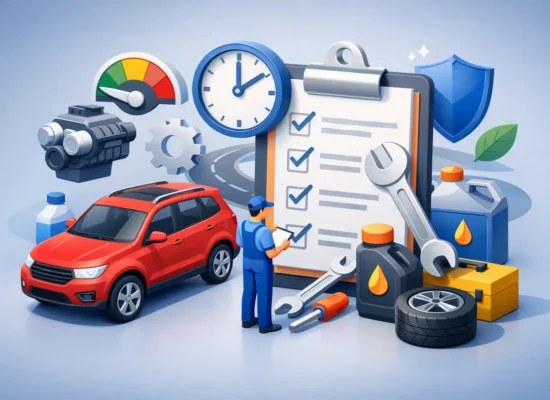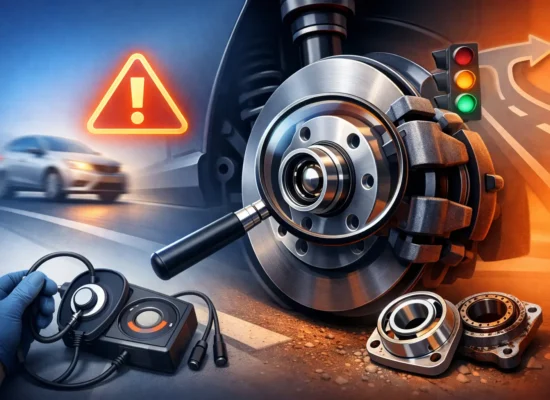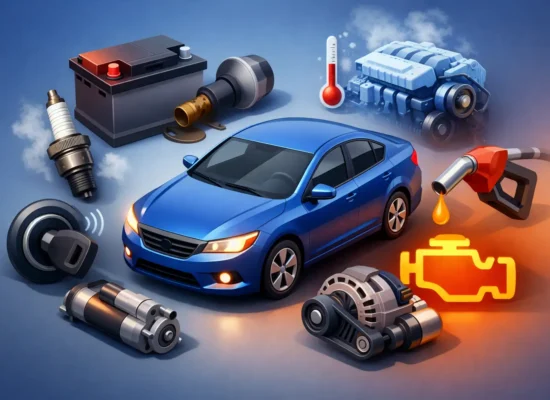
Your check engine light may point to one issue, while a vibration, fluid leak, or worn brake part points to another. That is why a diagnostic scan vs manual inspection is not an either-or decision for most vehicle concerns. A scan gives technicians valuable information from your vehicle’s computer, but a hands-on inspection confirms what is actually happening and what repair is needed.
For drivers in Boynton, the goal is simple: get an honest answer without paying for guesswork. The right diagnostic process helps separate a minor maintenance need from a repair that affects safety, reliability, or your budget.
What a Diagnostic Scan Can Tell You
Modern vehicles use computers to monitor systems such as the engine, transmission, emissions equipment, fuel delivery, ignition, and certain safety components. When a monitored system operates outside its expected range, the computer may store a diagnostic trouble code. A professional scan tool reads those codes, along with live data that shows how sensors and systems are performing.
This can make diagnosis much faster. If the check engine light comes on, for example, a scan may show a misfire on a specific cylinder, a fuel-trim concern, an oxygen sensor reading, or an evaporative-emissions fault. On newer vehicles, scan data may also help investigate warnings related to anti-lock brakes, traction control, airbags, battery charging, or electronic steering systems.
A scan is especially useful when the problem is intermittent. A vehicle may run normally by the time it reaches the shop, yet its computer may have recorded data from when the issue occurred. That stored information gives the technician a better place to begin testing.
Still, a trouble code is not the same thing as a repair instruction. A code identifies the system or condition the computer detected. It does not automatically prove that the named sensor, component, or part has failed.
Why a Code Does Not Always Identify the Bad Part
Consider a code related to an oxygen sensor. The sensor may be worn out, but the reading could also be caused by a vacuum leak, an exhaust leak, damaged wiring, a fuel-delivery problem, or an engine issue that changes the exhaust gases the sensor is reading. Replacing the sensor without checking those possibilities can leave the original problem unresolved.
The same principle applies to a battery or charging warning. Scan data can be helpful, but the technician also needs to test the battery, alternator output, cable condition, and connections. The warning light tells you where to investigate, not necessarily what to replace.
What Manual Inspection Finds That a Scan May Miss
A manual inspection is the physical side of diagnosis. An ASE-certified technician looks, listens, feels, measures, and tests components that may not be fully monitored by your vehicle’s computer. This is where experience matters, especially for mechanical wear and everyday driving concerns.
A scan tool cannot reliably show a cracked belt, worn brake pads, a leaking strut, loose suspension hardware, a tire with uneven wear, or an exhaust heat shield that rattles over bumps. It may not identify a sticking brake caliper until the problem creates another measurable issue. It also cannot replace a road test when a customer reports shaking, pulling, hesitation, unusual noise, or a change in how the vehicle shifts.
During a manual inspection, a technician may check fluid condition and levels, inspect hoses and wiring, look for leaks, test battery terminals, examine brake components, and assess tire condition. They may raise the vehicle to inspect suspension, steering, exhaust, drivetrain parts, and underbody damage that cannot be seen from above.
Manual work is also essential for confirming whether a scanned code is current, related to another failure, or simply stored from an earlier event. A vehicle can have old codes that do not explain today’s symptom. Clearing codes without determining why they appeared can make a warning light disappear temporarily, but it does not fix the cause.
Diagnostic Scan vs Manual Inspection: Why Both Matter
The most dependable repair decisions usually come from combining scan results with a manual inspection and targeted testing. Think of the scan as a detailed conversation with the vehicle’s computer. The inspection is the technician’s opportunity to verify the condition of the parts, connections, and systems involved.
If your vehicle has a rough idle and a check engine light, the scan may identify a cylinder misfire. The next step is not automatically replacing spark plugs or an ignition coil. A technician may inspect the plugs, test the coil, check for intake leaks, evaluate fuel delivery, and review live engine data. Those steps narrow down the actual source of the misfire before repair work begins.
If you hear a grinding sound while braking but no warning light is on, manual inspection becomes the priority. Brake pads, rotors, calipers, hardware, and brake fluid need to be evaluated directly. Waiting for a dashboard warning in that situation can turn a smaller brake service into a more expensive repair and may put safety at risk.
The balance depends on the concern. Electronic warning lights and performance problems often benefit from scan data early in the process. Noises, leaks, vibrations, tire wear, steering changes, and brake concerns often require a thorough physical inspection from the start. Many issues need both.
When to Schedule a Professional Diagnosis
It is wise to have your vehicle checked when a warning light stays on, returns after being cleared, flashes, or appears with symptoms such as loss of power, overheating, smoke, hard starting, or unusual shifting. A flashing check engine light can indicate an active misfire that may damage the catalytic converter, so it should not be ignored.
You should also schedule an inspection when the vehicle pulls to one side, shakes at highway speed, makes a clunking or squealing noise, leaves fluid on the driveway, or needs frequent battery jumps. These concerns may not trigger a code, but they can affect safety and reliability.
Be ready to share what you noticed and when it happens. Does the noise occur only when turning? Does the light come on after filling the gas tank? Does the vibration change when braking? Those details help the technician reproduce the issue and avoid unnecessary repairs.
What Honest Diagnosis Should Look Like
A trustworthy repair shop should explain the findings in plain language. You should know what symptom was confirmed, what testing supports the recommendation, which repairs are urgent, and which items can be monitored or planned for later. If several repairs are needed, clear priorities matter.
There are times when a component cannot be fully confirmed until related testing or partial disassembly is completed. That does not mean the shop is guessing. It means vehicles are complex, and responsible diagnosis sometimes follows a logical process rather than a one-step answer. The key is communication before additional work is performed.
At CJ Auto Services, the focus is on pairing professional diagnostic equipment with hands-on inspection so customers receive practical recommendations, realistic pricing, and repair work backed by a 100% parts and labor warranty. Same-day appointments and vehicle pick-up and drop-off help make it easier to address a concern before it becomes a larger interruption.
A warning light or unusual noise does not always mean the worst-case scenario. But it does deserve more than a quick code read or a quick glance. Give your vehicle the benefit of a complete evaluation, then make your repair decision with clear information and peace of mind.