A brake pedal that shudders at a Boynton stoplight is more than an annoyance. It can point to uneven rotor wear, excessive heat, or a brake system that needs attention before the next daily commute. When comparing brake resurfacing vs brake replacement, the right answer is not automatically the lowest-cost option or the newest part. It is the repair that restores smooth, dependable stopping power while meeting your vehicle’s safety specifications.
Brake work should feel clear, not confusing. A proper inspection can show whether your rotors still have usable life, whether your brake pads are wearing evenly, and whether another issue is contributing to noise or vibration.
What Brake Resurfacing Actually Does
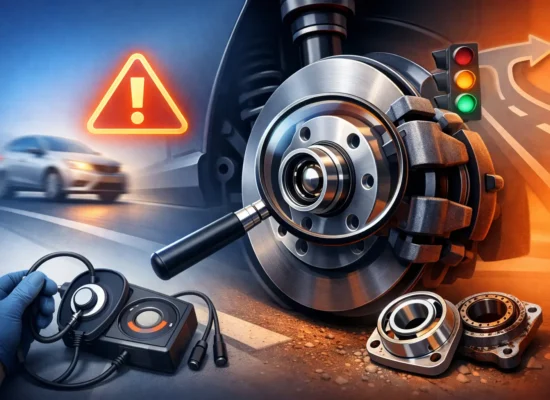
Brake resurfacing, sometimes called turning rotors, is a machining process. A technician removes a small, precise amount of material from the rotor’s braking surface to make it smooth, flat, and even again. This can correct minor grooves, light scoring, and certain surface irregularities that may cause pedal pulsation or brake noise.
A rotor is the metal disc clamped by the brake pads when you press the pedal. Over time, heat cycles and normal friction can leave the surface uneven. Resurfacing gives new pads a clean, consistent surface to bed into, which can support quieter operation and more predictable braking.
But resurfacing is not a cosmetic fix. Every rotor has a manufacturer-specified minimum thickness. Machining removes material, so the rotor must measure safely above that limit after the work is complete. A rotor that is too thin cannot absorb and release heat as effectively. That can increase the risk of brake fade, warping concerns, and reduced durability.
Brake Resurfacing vs Brake Replacement: The Main Difference
The practical difference is simple: resurfacing preserves a rotor that is still structurally sound, while replacement installs a new rotor when the existing one no longer meets specifications or is not worth machining.
Resurfacing may be a sensible option when rotors have only minor surface wear, enough remaining thickness, and no cracks, deep heat spots, or serious corrosion. It can be appropriate on some vehicles when paired with new brake pads and a complete inspection of the calipers, hardware, hoses, and brake fluid condition.
Replacement is often the better call when rotors are already near their minimum thickness, have deep grooves, show cracking, have severe rust buildup, or cannot be machined evenly. It is also commonly recommended when the cost of machining comes close to the cost of quality new rotors. Many newer rotors are manufactured with less extra material than older designs, so there may be little or no room to resurface them safely.
Neither service should be recommended by guesswork. Rotor thickness, runout, surface condition, and the vehicle manufacturer’s specifications should drive the decision.
When Resurfacing May Make Sense
A rotor may be a candidate for resurfacing if the braking surface has light imperfections but the metal remains well above the discard thickness. For example, a vehicle may develop mild pedal pulsation after repeated hard braking, yet the rotor may still be thick enough for a precision cut.
Resurfacing can also be useful when a rotor surface is slightly glazed. Glazing happens when excess heat hardens and smooths the friction surface, sometimes contributing to reduced bite or squealing. If the underlying rotor is in good condition, machining may restore a better surface for the new pads.
There is a trade-off. A resurfaced rotor has less material than a new one, so it may have a shorter remaining service life. For a driver who tows, carries heavy loads, makes frequent highway trips, or deals with heavy stop-and-go traffic, new rotors may offer better long-term value and heat management. The same can be true if you plan to keep the vehicle for many years.
When Rotor Replacement Is the Safer Choice
Replacement is usually the responsible recommendation when a rotor cannot meet its minimum thickness after resurfacing. That measurement is not optional. Thin rotors heat up faster and can lose their ability to manage repeated braking demands.
Deep scoring is another concern. If a brake pad wears down to its metal backing, it can carve significant grooves into the rotor. A light cut may not remove enough material to correct the damage, while a deeper cut could take the rotor below its safe limit.
Cracks, major heat checking, and blue or dark hot spots call for replacement. These signs can indicate that the rotor has experienced extreme temperatures. Corrosion matters, too. South Florida humidity, rain, salt air, and long periods of sitting can create rust on rotor surfaces and around cooling vanes. Light surface rust often clears after a few stops, but heavy pitting or flaking can compromise brake performance and rotor integrity.
Replacement also makes sense when caliper problems have damaged a rotor. A sticking caliper can keep one pad dragging against the disc, creating excess heat and uneven wear. Installing new rotors without correcting the caliper or hardware issue would only set up the new parts for the same damage.
Pads, Rotors, and the Rest of the Brake System
Brake pads and rotors work as a matched pair. When rotors are resurfaced or replaced, installing new pads is generally the best practice. Old pads have worn themselves to the shape of the old rotor surface. Reusing them on a newly machined or new rotor can lead to noise, uneven contact, and reduced performance.
A complete brake inspection should go beyond pads and rotors. Technicians should check caliper movement, slide pins, mounting hardware, brake hoses, fluid condition, and tire condition. A spongy pedal, for instance, may be related to brake fluid or hydraulic concerns rather than the rotors. A vehicle that pulls during braking may involve a sticking caliper, uneven tire pressure, suspension wear, or alignment issues.
This is why a quote that only says “pads and rotors” without explaining the condition of the rest of the system may leave important questions unanswered.
Signs You Should Schedule a Brake Inspection
Some brake symptoms require a prompt appointment, while others call for immediate attention. Grinding, a brake warning light, a soft pedal, a burning smell near a wheel, or a vehicle that pulls sharply when braking should not be put off. If braking performance feels noticeably reduced, avoid driving the vehicle until it can be checked.
Other signs are less urgent but still worth addressing early. Squealing, vibration through the steering wheel or pedal, longer stopping distances, and visible rotor rust or grooves can all signal that brake service is due. Catching worn pads early may help prevent pad backing from damaging otherwise serviceable rotors.
Keep in mind that noise alone does not always mean replacement is necessary. Some pads make noise because of moisture, dust, worn hardware, or their friction material. The inspection determines whether the sound is normal, repairable, or a sign of unsafe wear.
Choosing the Best Value, Not Just the Lowest Price
The cheapest brake repair can become expensive if it skips the measurements and supporting repairs that protect the new parts. A trustworthy recommendation explains whether the rotors can be resurfaced, what their measurements show, and why replacement is or is not advised.
Ask whether the estimate includes pads, rotors or machining, hardware, brake fluid service if needed, and a road test. Also ask about the quality of replacement parts and the warranty on parts and labor. Clear answers help you compare repairs fairly without feeling pressured into a service you do not understand.
At CJ Auto Services, ASE-certified technicians can inspect the full brake system, explain the findings in plain language, and recommend the option that fits your vehicle’s condition. Same-day appointments and available vehicle pick-up and drop-off help make necessary brake care easier to manage.
Your brakes do not need a sales pitch. They need accurate measurements, quality parts when required, and repair work that gives you confidence when traffic stops suddenly in front of you.