A used car can be a smart purchase, but its value depends on what happens after the sale. This used car maintenance guide is built for drivers who want dependable transportation without guessing what their vehicle needs next. A few timely services can prevent the kind of breakdowns that interrupt work, family plans, and everyday errands.
The goal is not to replace every part just because a vehicle has miles on it. It is to establish a clear baseline, follow the manufacturer’s service needs, and address small concerns before they become expensive repairs. For Boynton drivers, Florida heat, humidity, heavy rain, and stop-and-go traffic can add extra strain to fluids, batteries, tires, and air conditioning systems.
Start With a Complete Baseline Inspection
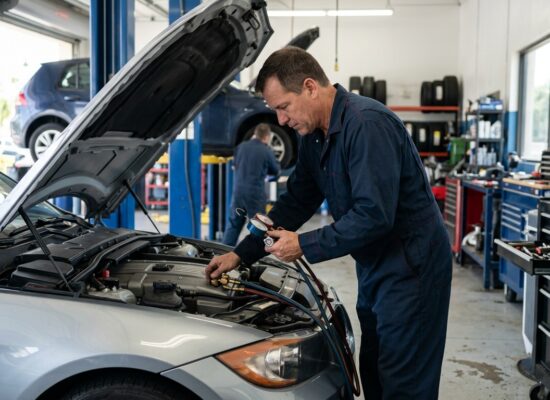
If you just bought a used vehicle, do not rely only on a seller’s word or an old service sticker. Even a clean-looking car may have overdue maintenance underneath the hood or wear that is not obvious during a short test drive. A complete inspection gives you a practical starting point.
Bring any maintenance records you received, but understand that missing records do not automatically mean the car is a bad buy. They simply mean you should be more proactive. A qualified technician can inspect the vehicle’s major systems, identify current safety concerns, and help prioritize what needs attention now versus what can be planned for later.
A useful baseline inspection should look at the following areas:
- Engine oil, coolant, brake fluid, transmission fluid, and other applicable fluids
- Brake pads, rotors, brake hoses, and tire condition
- Battery condition, charging system, and starter performance
- Belts, hoses, filters, spark plugs, and signs of fluid leaks
- Suspension, steering, exhaust, lights, wipers, and air conditioning performance
This inspection is especially valuable when the vehicle is older, has more than 75,000 miles, or came with little documentation. It turns uncertainty into a service plan based on the actual condition of your car.
Follow the Used Car Maintenance Guide Schedule
Your owner’s manual remains the best reference for factory service intervals. Mileage and time both matter. For example, a car that sits for long periods may still need oil changes, battery checks, and fluid inspections even if it has not traveled many miles.
Oil Changes and Filter Service
Clean engine oil protects internal components from heat and friction. The correct oil-change interval depends on your vehicle, the type of oil it uses, and how it is driven. Short trips, frequent idling, high temperatures, and heavy traffic can all be considered severe driving conditions.
Do not assume every vehicle needs the same oil service schedule. Check the manufacturer recommendation and ask for the oil grade designed for your engine. Replace the oil filter at the same time. A clogged or low-quality filter can allow contaminants to circulate through the engine.
Air filters and cabin air filters deserve attention too. A dirty engine air filter may affect performance and fuel economy, while a neglected cabin filter can reduce air conditioning airflow and make the interior less comfortable during South Florida’s warmer months.
Tires, Alignment, and Brakes
Tires are your car’s only contact with the road, so they deserve more than a quick glance. Check tire pressure monthly, including the spare if your vehicle has one. Pressure should be set according to the label inside the driver’s door jamb, not the maximum number printed on the tire sidewall.
Have tires rotated at the recommended interval to encourage even wear. If the steering wheel pulls to one side, the vehicle vibrates at highway speeds, or the tires show uneven tread wear, schedule an inspection. The issue could be alignment, tire balance, worn suspension components, or a combination of factors.
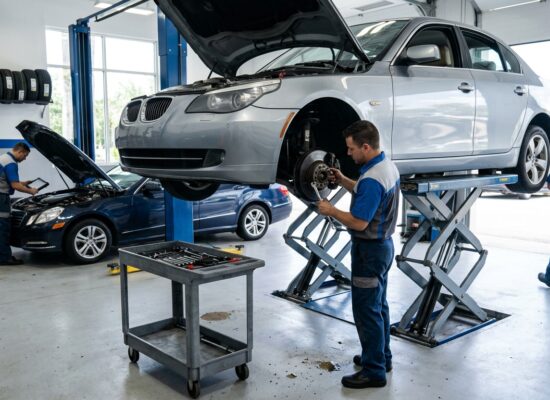
Brake service should never wait for a warning light. Squealing, grinding, a soft brake pedal, steering-wheel shake while stopping, or a longer stopping distance all call for prompt attention. Sometimes the repair is as simple as pads, but delaying service can damage rotors and increase the final cost.
Fluids, Cooling, and Transmission Care
Vehicles depend on more than engine oil. Coolant helps control engine temperature, brake fluid supports safe braking performance, and transmission fluid protects moving components in the transmission. Power steering fluid, differential fluid, and transfer case fluid may also apply depending on your vehicle.
Fluid services are not one-size-fits-all. Some newer vehicles use long-life fluids, while others require more frequent service. Fluid condition, vehicle mileage, manufacturer recommendations, and driving habits all matter. A technician should check for leaks and inspect the fluid rather than recommending a service solely by age.
In Florida, cooling system health is particularly important. If the temperature gauge climbs, coolant is disappearing, or you smell something sweet after driving, do not wait. An overheating engine can lead to major damage quickly.
Pay Attention to Small Changes
Most serious car problems begin with a small change: a new sound, a different smell, a warning light, or a change in how the vehicle drives. Paying attention early can protect your budget.
A clicking sound when starting may point to a weak battery, starter issue, or poor electrical connection. A burning smell could come from brakes, oil leaking onto hot engine parts, or an electrical concern. A check engine light can mean something minor, but it can also signal a problem affecting performance, fuel economy, or emissions.
Do not ignore a warning light simply because the car still runs. Diagnostic testing can identify the code, but the code alone is not always the repair. The right approach is to test the system, confirm the cause, and explain the recommended repair clearly before work begins.
Protect the Battery and Air Conditioning System
Heat is hard on automotive batteries. Even if a battery starts the car today, it may be losing reserve capacity and fail without much warning. Have the battery and charging system tested during routine maintenance, especially before a long trip or if the engine cranks slowly.
Air conditioning is more than a comfort feature in South Florida. It helps keep drivers alert and assists with clearing humid windows. If your A/C is blowing warm air, has weak airflow, makes unusual noises, or produces a musty odor, have it inspected before the hottest part of the year. Waiting can turn a minor leak or worn component into a larger repair.
Keep Records and Plan Repairs Wisely
Keep receipts and a simple record of every service. Note the date, mileage, work completed, and any recommendation that was postponed. This makes it easier to track upcoming maintenance, supports resale value, and prevents duplicate work when you change repair shops.
Not every recommendation has the same urgency. Safety items such as worn brakes, failing tires, major fluid leaks, overheating, and steering concerns should be handled promptly. Other items, such as a minor seepage or a filter nearing its replacement interval, may be scheduled around your budget. A trustworthy shop will explain the difference without pressuring you into unnecessary work.
For drivers who want clear answers and convenient care, CJ Auto Services provides inspection, maintenance, diagnostics, and repair for all makes and models, with same-day appointment options and vehicle pick-up and drop-off available.
A used car does not need to be perfect to be dependable. Give it a proper starting inspection, stay consistent with basic maintenance, and speak up when something feels different. That steady attention is what helps a pre-owned vehicle earn your confidence mile after mile.