A brake pad brands review can be helpful, but the best choice is rarely the brand with the loudest advertising or the lowest price on the box. Your vehicle, driving habits, brake rotor condition, and the heat and traffic of South Florida all affect what will give you reliable, quiet stopping power.
For most drivers, the goal is simple: brakes that respond confidently, do not squeal at every stoplight, and last a reasonable amount of time without creating an unexpected repair bill. That means looking beyond a brand name and choosing pads that fit the vehicle and the way it is used.
What Matters More Than the Name on the Box
Brake pads are friction material. When you press the brake pedal, hydraulic pressure pushes the pads against the rotors to slow the wheels. The material has to work across a wide range of temperatures, stay stable in wet weather, resist noise, and wear at a sensible rate.
A quality brand matters because better manufacturers usually have tighter standards for materials, fitment, shims, and noise-control features. Still, an excellent ceramic pad may not be the right answer for every truck, SUV, performance vehicle, or work vehicle. A lower-cost pad can also become expensive if it wears quickly, damages the rotor, or creates noise that leads to another brake visit.
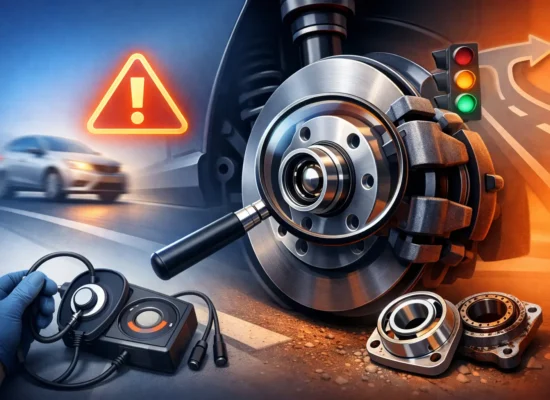
The right recommendation should include an inspection of pad thickness, rotor surface, caliper movement, brake fluid condition, and hardware. Pads do not operate alone. A sticking caliper or worn rotor can make even premium pads perform poorly.
Brake Pad Brands Review: Reliable Options by Need
There is no single winner for every make and model, but several brands have earned solid reputations in the replacement-parts market. Here is how common choices generally fit real-world driving needs.
OEM Brake Pads
OEM means original equipment manufacturer. These pads are designed to meet the specifications the vehicle was built with, making them a dependable choice when a driver wants factory-like feel, fit, and braking behavior.
OEM pads are often a strong option for newer vehicles, luxury models, and drivers who prefer to keep their vehicle close to its original driving characteristics. The trade-off is price. They can cost more than aftermarket alternatives, and some aftermarket pads can match or improve on original equipment performance in areas such as dust reduction or noise control.
Akebono
Akebono is widely respected for ceramic brake pads, particularly for many import, domestic, and luxury applications. Their pads are commonly chosen by drivers who value quiet operation, low brake dust, and a smooth pedal feel.
Ceramic pads from a reputable brand such as Akebono can be an excellent fit for daily commuting and family vehicles. They are not always the ideal choice for heavy towing, repeated hard braking, or certain fleet uses where a semi-metallic pad may better handle higher heat loads.
Bosch
Bosch offers broad coverage across many cars, SUVs, and light trucks. Its premium ceramic lines are known for quiet performance and hardware designed to make installation more complete.
For a typical Boynton commuter vehicle, Bosch can be a practical balance of comfort and dependable stopping power. As with any brand, part number matters. A pad made for one trim level or brake package may not be correct for another version of the same model.
Wagner
Wagner has long been a familiar name in replacement braking components. Many of its pad options are aimed at daily drivers looking for reliable performance, good noise control, and a reasonable value.
Wagner pads are often a sensible choice for older vehicles and routine maintenance when the rest of the brake system is in good condition. The product line includes different material types, so it is worth confirming whether the selected pad is built for low dust, longer wear, or heavier-duty use.
Raybestos
Raybestos offers options across several price and performance levels. Its premium lines can be a good fit for drivers who want a quality replacement pad without necessarily paying dealership pricing.
The important point is not to choose solely by the Raybestos name. Check the specific product grade and intended use. A basic economy line and a premium line from the same manufacturer can feel and wear very differently.
PowerStop
PowerStop is especially recognizable among drivers seeking upgraded braking for trucks, SUVs, and vehicles that see towing, hauling, or more aggressive driving. Some kits pair pads and rotors to simplify the selection process.
These products can make sense when a vehicle regularly carries extra weight or needs better resistance to brake fade. They may be more than a normal commuter needs, however, and an upgrade does not correct a brake system issue such as a seized caliper or worn suspension component.
Ceramic, Semi-Metallic, or Organic?
Brand is only part of the decision. Pad material affects noise, dust, cold performance, rotor wear, and durability.
Ceramic pads are popular for everyday passenger cars because they are typically quiet and produce less visible dust. They are a comfortable choice for drivers who spend time in city traffic, want cleaner wheels, and prefer smooth braking. High-quality ceramic pads can cost more upfront, but their comfort and cleanliness make them worthwhile for many vehicles.
Semi-metallic pads contain metal fibers that help them handle heat and deliver strong braking performance. They are often well suited to trucks, SUVs, heavier vehicles, and vehicles used for towing. They can create more dust and may be noisier than ceramic pads, particularly when cold, but they are often the better functional choice under demanding conditions.
Organic pads tend to be softer and can be affordable, but they usually wear faster and may not handle heat as well as ceramic or semi-metallic options. They are less common as a first recommendation for modern daily drivers, especially in South Florida traffic where frequent stopping builds heat quickly.
Why the Cheapest Brake Job Can Cost More
A low advertised brake price may cover only basic pads, leaving out rotors, hardware, labor details, or the cause of uneven wear. It may also use an economy-grade pad that is not well matched to your vehicle.
Brake work should begin with clear answers. Are the rotors within specification? Are the caliper slide pins lubricated and moving freely? Is the pad wear even from side to side? Is there a brake fluid concern? A shop should explain what is necessary now, what can wait, and why.
Replacing pads without addressing worn rotors can lead to vibration, reduced braking consistency, and premature pad wear. Reusing damaged or weak hardware can contribute to rattles and squeals. Saving a small amount on parts is rarely worthwhile if the job has to be redone.
Signs Your Pads Need Attention
Do not wait for a grinding sound if you can avoid it. Brake pads should be inspected during routine maintenance, especially if you drive in heavy traffic, make frequent short trips, tow, or notice a change in how the vehicle stops.
Common warning signs include a high-pitched squeal, grinding, a brake warning light, a soft or unusual pedal feel, pulling to one side, vibration while braking, or noticeably longer stopping distances. Some noises are caused by surface rust after rain or overnight parking, but recurring noise deserves a proper inspection.
In coastal South Florida, moisture and salt air can also contribute to corrosion around brake hardware and caliper components. Regular inspections help catch those issues before they turn a straightforward pad replacement into a larger repair.
Choose Pads With the Whole Vehicle in Mind
The best brake pad is the one that matches your vehicle’s design and your actual driving. A quiet ceramic pad may be perfect for a family sedan. A durable semi-metallic pad may be the safer choice for a loaded SUV or work truck. OEM pads may make the most sense when factory feel is the priority.
At CJ Auto Services, the focus is not on pushing one brand for every car. It is on inspecting the full brake system, explaining the options in plain language, and installing parts that support safe, dependable driving. Quality parts and workmanship should come with confidence, not pressure.
If your brakes are making noise, feeling different, or simply due for an inspection, address them before a small wear item becomes a rotor, caliper, or safety concern. A clear recommendation from a trusted technician can keep your next stop calm, controlled, and worry-free.