A warning light rarely appears at a convenient time. Neither does a dead battery in a parking lot, an overheated engine during the school run, or brake noise before a long weekend trip. A preventive maintenance schedule guide gives you a practical way to stay ahead of those problems, protect your vehicle, and avoid letting small service needs turn into expensive repairs.
For drivers in Boynton and throughout South Florida, a good schedule also has to account for heat, humidity, heavy rain, stop-and-go traffic, and frequent air conditioning use. The best plan is not a one-size-fits-all checklist. It is a routine based on your vehicle, your mileage, your driving habits, and the manufacturer’s recommendations.
Why Preventive Maintenance Pays Off
Preventive maintenance means servicing the parts and fluids that wear out before they cause a breakdown or damage another system. Oil changes are the most familiar example, but they are only one part of long-term vehicle care. Tires, brakes, filters, belts, hoses, batteries, coolant, transmission fluid, and suspension components all need regular attention.
Skipping maintenance can seem like a way to save money when the car feels fine. The trade-off is that many vehicle problems develop quietly. Worn brake pads can damage rotors. Old coolant can contribute to corrosion and overheating. Low tire pressure can shorten tire life and hurt fuel economy. Catching these concerns early is usually safer, simpler, and less costly than waiting for a failure.
Routine service also creates a record of how your vehicle has been cared for. That can help preserve resale value and makes it easier for a technician to spot a pattern before it becomes a major repair.
Start With Your Owner’s Manual
Your owner’s manual is the starting point for any preventive maintenance schedule guide. Manufacturers set service intervals for your specific engine, transmission, fluids, filters, spark plugs, and other components. Those intervals are more dependable than a generic mileage rule found online or on a windshield sticker.
Look for two maintenance schedules in the manual: normal and severe service. Many South Florida drivers fall closer to the severe-service category than they realize. Short trips, long idling periods, heavy traffic, high temperatures, towing, frequent rain, and dusty conditions can all place extra stress on a vehicle.
If you are unsure which schedule applies, ask a qualified technician to help you interpret it. Honest advice should be based on your vehicle’s condition and factory requirements, not on pressure to sell work you do not need.
A Practical Vehicle Maintenance Timeline
Service needs vary by make and model, so the mileage ranges below are planning points rather than replacements for your manufacturer’s schedule. A professional inspection can adjust the plan for an older car, a high-mileage vehicle, or a work vehicle that spends most of its day on the road.
Every Month or Before a Road Trip
Take a few minutes to check your tire pressure when the tires are cold. Use the pressure listed on the driver’s door placard, not the maximum pressure printed on the tire sidewall. Look for uneven tread wear, nails, sidewall damage, or a tire that repeatedly loses air.
Check that headlights, brake lights, turn signals, and windshield wipers are working. In South Florida’s afternoon rain, clear visibility is a safety issue, not a convenience. Also pay attention to dashboard warning lights, unusual smells, new vibrations, fluid spots under the car, or changes in how the brakes feel.
You do not need to diagnose every symptom yourself. Noticing it early and reporting it clearly helps your repair shop inspect the right area faster.
Every 5,000 to 10,000 Miles
For many vehicles, this is a common interval for an oil and filter change, tire rotation, and a general inspection. The exact oil-change interval depends on the vehicle and oil type. Modern vehicles using synthetic oil may go longer than older models, but frequent short trips, heat, or hard driving may call for more frequent service.
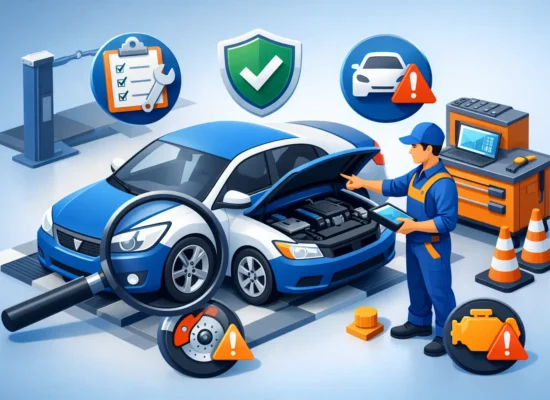
A quality routine visit should include more than replacing oil. It is a good time to inspect brakes, tire condition, fluid levels, belts, hoses, battery condition, steering and suspension parts, and visible leaks. A tire rotation at the proper interval helps all four tires wear more evenly, which can extend their useful life.
Every 15,000 to 30,000 Miles
At this point, certain filters and fluids may need attention. Depending on your vehicle, that may include the engine air filter, cabin air filter, brake fluid inspection, and fuel system service. A clogged engine air filter can restrict airflow, while a neglected cabin filter can reduce air conditioning performance and allow more dust and odors into the vehicle.
Brake inspections matter especially if you drive in traffic or make frequent short trips. There is no fixed mileage when brake pads must be replaced. Driving habits, vehicle weight, road conditions, and brake material all affect wear. Replacing pads before they wear into the rotors can prevent a larger brake bill later.
Every 30,000 to 60,000 Miles
This range often brings more detailed maintenance, such as coolant service, transmission fluid inspection or service, spark plug replacement on some vehicles, and a closer inspection of suspension and drivetrain components. Requirements vary widely, particularly for transmissions. Some vehicles use long-life transmission fluid, while others need regular fluid service under severe driving conditions.
Do not assume every fluid should be flushed on the same schedule. The correct approach is to check the manufacturer’s recommendation, inspect the fluid and vehicle condition, and discuss the reason for any proposed service. Clear explanations help you make decisions with confidence.
At 60,000 Miles and Beyond
Higher-mileage vehicles can remain dependable with consistent care, but inspections become more valuable as rubber, seals, bearings, suspension components, and electrical parts age. Timing belts are a major item on vehicles equipped with them. If a timing belt breaks, it can cause serious engine damage on certain engines, so replacement should follow the factory interval closely.
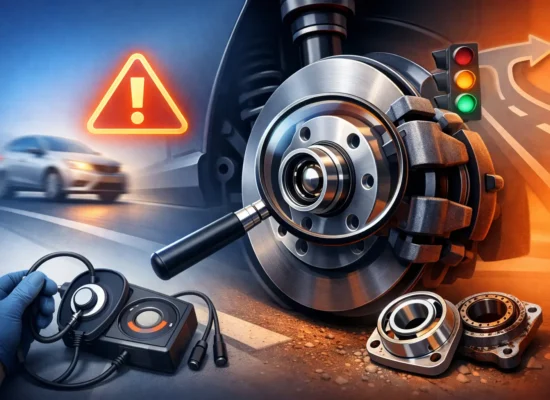
This is also a good stage to watch the battery, alternator, starter, shocks or struts, wheel bearings, motor mounts, and exhaust system. These parts do not always fail by mileage alone. Age, weather exposure, and driving conditions matter just as much.
South Florida Conditions Change the Schedule
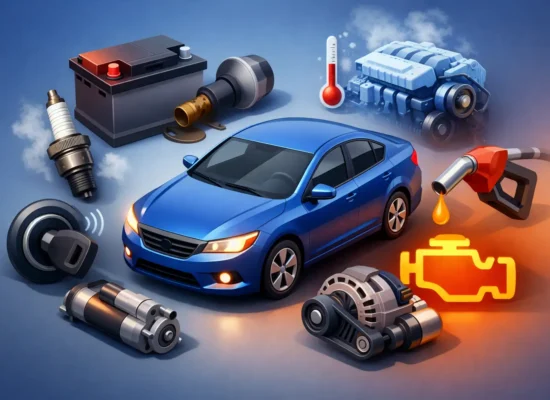
Heat is tough on batteries, cooling systems, tires, and air conditioning components. A battery that starts the car normally can still be nearing the end of its life, especially after several hot summers. Battery testing during routine service can provide a useful warning before you are stranded.
Heavy rain and standing water can reveal worn tires, weak wipers, brake concerns, or water intrusion around seals. If your vehicle pulls to one side, shakes at highway speed, or has uneven tire wear, schedule an inspection instead of waiting for the next oil change. Alignment, balancing, and suspension concerns affect handling and can quickly wear out otherwise good tires.
Air conditioning deserves regular attention, too. Weak airflow, warm air, unusual odors, or a noisy blower should be checked before the hottest part of the year. Sometimes the issue is as simple as a cabin filter; other times, it may involve a leak, compressor, blower motor, or electrical component.
Build a Schedule You Can Actually Follow
The most effective maintenance plan is one you can keep up with. Start by recording your current mileage, the date of your last oil change, tire rotation, brake service, battery replacement, and major fluid services. Keep receipts or use a notes app so the information is easy to find when you book service.
Set reminders based on both mileage and time. A vehicle that is rarely driven still needs attention because fluids age, tires lose pressure, batteries discharge, and rubber components deteriorate. If you drive a lot for work, use your mileage as the main trigger. If you drive only a few thousand miles per year, use calendar reminders as well.
It also helps to choose one shop that understands your vehicle history. CJ Auto Services can help local drivers build a realistic service plan for their make, model, mileage, and budget, with ASE-certified care, same-day appointments when available, and convenient vehicle pick-up and drop-off.
Know When to Schedule Service Sooner
A maintenance schedule does not replace common sense. Book an inspection promptly if a warning light appears, the engine runs rough, the transmission shifts differently, the brakes squeal or grind, the steering feels loose, the vehicle overheats, or you notice a burning smell or fluid leak.
Some concerns are urgent. A flashing check engine light, an overheating engine, a red oil-pressure warning, a brake warning light, or a severe loss of braking or steering control should not wait for a routine appointment. Pull over safely when possible and arrange professional help.
Regular maintenance is not about spending money on every possible service. It is about making informed decisions before a small issue affects your safety, your schedule, or your wallet. Keep your next service date visible, listen when your vehicle feels different, and give it the consistent care that keeps everyday driving dependable.