A rough idle at a stoplight, slower acceleration, lower gas mileage, or a check engine light can make drivers wonder whether it is time for a tuning service. The answer is not always as simple as replacing a few parts. Modern vehicles use computers, sensors, and manufacturer-specific maintenance schedules, so the right service begins with identifying what your vehicle actually needs.
For Boynton drivers who depend on their cars for work, school runs, errands, and weekend travel, a properly timed tune-up can prevent a small performance issue from becoming an inconvenient repair. The goal is not to sell unnecessary parts. It is to restore dependable operation, protect fuel efficiency, and give you a clear picture of your vehicle’s condition.
What a Modern Tuning Service Includes
The phrase “tune-up” comes from an era when engines needed regular adjustment of ignition timing, carburetors, and points. Most newer vehicles no longer have those components. But they still require scheduled attention to the parts that create spark, manage air and fuel, and keep the engine running efficiently.
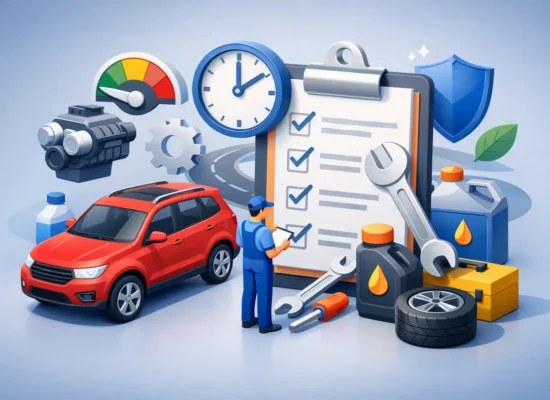
A modern tuning service is tailored to the vehicle’s mileage, age, maintenance history, and symptoms. It commonly includes an inspection of spark plugs, ignition coils or plug wires, air filters, fuel and air intake components, belts, hoses, and fluid condition. Depending on the manufacturer’s schedule, it may also include replacing spark plugs, changing filters, cleaning throttle-body buildup, or addressing a worn ignition component.
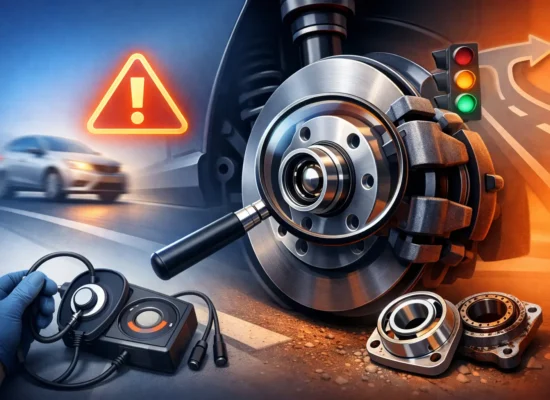
Diagnostic testing matters just as much as the replacement parts. A check engine light can be caused by many issues, from a loose gas cap to a failing sensor, ignition misfire, vacuum leak, or fuel-system concern. Reading the code is only the first step. A qualified technician should verify the cause before recommending repairs.
That approach helps prevent the common frustration of paying for a tune-up and discovering the original problem is still there. If the engine is misfiring because of a failing coil, for example, new spark plugs alone may not solve it. If poor performance is caused by a clogged air filter, the repair may be much simpler than expected.
Signs It May Be Time to Schedule a Tuning Service
Your owner’s manual is the best starting point for scheduled maintenance. Many vehicles need spark plugs at intervals ranging from roughly 30,000 to 100,000 miles or more, depending on the plug type and engine design. Waiting until the vehicle runs badly is not always the best plan, especially if the manufacturer recommends service sooner.
Between scheduled visits, pay attention to changes in how the vehicle starts, idles, accelerates, and uses fuel. Difficulty starting, hesitation when accelerating, engine shaking, reduced power, or a noticeable drop in miles per gallon can all point to an issue worth checking. A fuel smell, popping sound, or flashing check engine light deserves prompt attention. A flashing light often signals an active misfire that can damage the catalytic converter if the vehicle keeps being driven.
Not every symptom means the engine needs a full tune-up. Rough running can also be related to a battery, alternator, fuel delivery problem, transmission concern, or even an air conditioning load affecting idle speed. That is why a diagnostic inspection is more valuable than guessing based on symptoms alone.
Mileage Is a Guide, Not the Whole Story
South Florida driving can be hard on vehicles in ways that a mileage number does not capture. Stop-and-go traffic, high heat, heavy rain, short trips, and long periods of air conditioner use all add stress. A car that spends most of its time on quick local trips may need attention sooner than one that regularly gets longer highway drives.
Maintenance records matter too. If you recently bought a used vehicle and do not know when the spark plugs, filters, or fluids were last serviced, an inspection can establish a practical maintenance baseline. It is a smarter move than replacing every possible part without a reason.
Tune-Up Service vs. Performance Tuning
Some drivers use the term tuning service to mean performance tuning, such as changing engine software for more horsepower or a sharper throttle response. That is different from a maintenance tune-up.
Performance modifications can affect fuel economy, emissions compliance, reliability, warranty coverage, and the vehicle’s ability to pass required inspections. They should be approached carefully and only after considering the vehicle’s intended use. For most daily drivers, factory-calibrated operation plus proper maintenance is the most dependable path to smooth performance and long-term value.
A maintenance-focused tune-up is designed to bring the vehicle back to the way it should run. It addresses wear items and confirmed faults rather than changing the manufacturer’s engine programming. For commuters, families, and business owners who need dependable transportation, that distinction can save money and avoid unnecessary complications.
What You Should Expect From a Trustworthy Shop
A quality tune-up appointment should start with a conversation. Describe when the issue happens, whether the check engine light is on, how long the symptoms have been present, and any recent repairs. Details such as “it shakes only when stopped” or “it loses power when merging” help narrow the diagnosis.
The shop should then inspect the vehicle and explain the findings in plain language. You should know which services are due according to the manufacturer’s schedule, which repairs are needed to correct a current problem, and which items can reasonably wait. Those are three different conversations, and they should not be blended together.
Pricing should also be clear before work begins. The cost of a tuning service varies widely because four-cylinder, V6, turbocharged, hybrid, and luxury vehicles can have very different labor requirements and parts prices. On some engines, spark plugs are easy to access. On others, reaching them requires removing intake components or other equipment. An honest estimate explains what is included and why.
At CJ Auto Services, the focus is on practical recommendations for the vehicle in front of you. ASE-certified technicians can inspect the issue, explain the options without technical overload, and help you decide what needs attention now. Same-day appointments and vehicle pick-up and drop-off are available to make routine car care easier to fit into a busy week.
How to Get More Value From Your Tune-Up
The best way to avoid surprise repair bills is to treat a tune-up as part of an ongoing maintenance plan, not a one-time fix. Keep records of spark plug replacements, filter changes, oil services, battery replacement, and any diagnostic repairs. That history makes it easier to spot patterns and avoid repeating work.
Use the fuel grade recommended by your manufacturer, replace the engine air filter when needed, and address warning lights early. Do not assume premium fuel will fix a mechanical problem, and do not use additives as a substitute for diagnosis. Some fuel-system cleaners may be appropriate in certain situations, but they cannot repair a worn spark plug, bad coil, failing sensor, or air leak.
It also helps to schedule service before a long road trip, hurricane-season travel, or a period when your schedule will not allow for unexpected downtime. A quick inspection can catch a weak battery, worn belt, overdue filter, or developing engine concern before it leaves you stranded.
Your vehicle does not need a vague, one-size-fits-all tune-up. It needs careful attention based on its maintenance schedule, real-world symptoms, and condition. When something feels off, getting a clear diagnosis early is often the simplest way to protect your time, your budget, and your peace of mind.