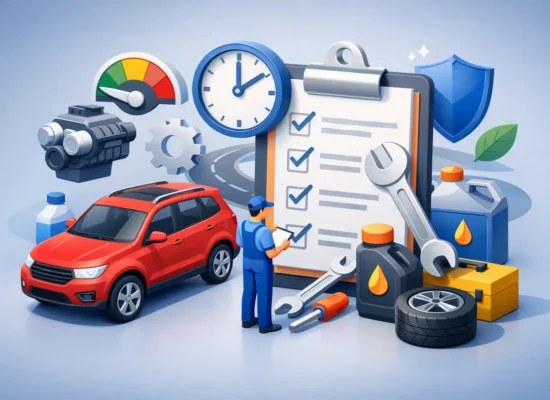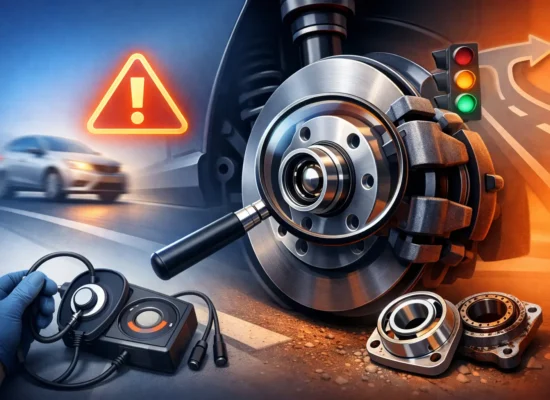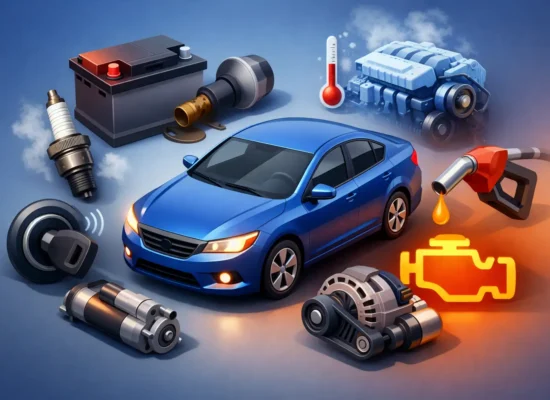
A dashboard warning light rarely appears at a convenient time. It shows up between school pickup and a work meeting, before a weekend drive, or when the family schedule is already full. That is why car maintenance trends for busy drivers are changing the way people think about vehicle care. The goal is no longer just fixing a problem after a breakdown. It is getting reliable, preventive service with as little disruption to daily life as possible.
For Boynton-area drivers, convenience matters, but it should never replace quality. The best maintenance approach combines smart reminders, clear communication, qualified technicians, and a shop that respects your time and your budget.
Car Maintenance Trends for Busy Drivers Are About Time
The most noticeable trend is simple: drivers want car care to fit around life, not take over a day. Waiting rooms and long dealership visits feel less practical when work, family, and errands are competing for attention. Same-day appointments, faster inspections, and vehicle pick-up and drop-off options have become meaningful parts of good service.
Convenience should not mean rushing through the work. A quick oil change is helpful, but it is even more valuable when the technician also catches low tire tread, a weak battery, worn brake pads, or a fluid leak before it becomes a roadside problem. Busy drivers benefit most from service that is efficient and thorough at the same time.
This is especially true in South Florida, where heat, traffic, sudden rain, and frequent short trips can put extra stress on batteries, tires, air conditioning systems, and brakes. A vehicle may still seem to run fine while one of those systems is getting close to failure. Routine checks help prevent a small issue from becoming an unexpected interruption.
Digital Reminders Are Replacing Guesswork
Many newer vehicles track oil life, tire pressure, service intervals, and system warnings through the dashboard or a manufacturer app. These tools can be useful, particularly for drivers who do not have time to keep maintenance notes in a glove box. A simple alert can make it easier to schedule service before a missed oil change turns into unnecessary engine wear.
Still, a dashboard reminder is not a complete maintenance plan. Oil-life monitors estimate service needs based on mileage, driving habits, and operating conditions, but they do not inspect brake wear, suspension parts, belts, hoses, tire condition, or fluid leaks. The same goes for a tire-pressure warning. It tells you pressure is low, not why it is low.
A practical habit is to treat digital alerts as a prompt to check in with a trusted repair shop, not as a final diagnosis. A technician can explain whether the vehicle needs routine service, a repair, or simply an adjustment. That clear distinction helps drivers avoid both unnecessary work and the cost of waiting too long.
Preventive Maintenance Is Becoming More Personalized
The old rule of servicing every vehicle on the same mileage schedule is fading. Modern maintenance plans increasingly account for how a vehicle is actually used. A commuter putting highway miles on a sedan may have different needs than a parent making short trips around town, a delivery driver with constant stop-and-go driving, or a small business owner using a work truck every day.
Short trips can be harder on engine oil and batteries because the vehicle may not run long enough to fully recharge the battery or reach ideal operating temperature. Stop-and-go traffic increases brake wear. Hot weather can shorten battery life and expose weak air conditioning performance quickly. Drivers who tow, haul equipment, or carry heavy loads may need closer attention to tires, suspension, transmission fluid, and brakes.
Personalized maintenance does not mean adding services without a reason. It means looking at the vehicle’s age, mileage, condition, manufacturer recommendations, and real driving habits. The right shop should explain what needs attention now, what can be monitored, and what can reasonably wait. That is the difference between practical preventive care and an upsell.
Mobile Convenience Is Raising Expectations
Busy drivers now expect updates without repeated phone calls and surprises without explanations. Text messages, inspection photos, clear estimates, and timely status updates help customers make decisions from work or home. They also create a better record of what has been done to the vehicle.
Photos and digital inspection results are particularly helpful when a repair is not obvious to the owner. Seeing uneven tire wear, a cracked belt, corroded battery terminals, or worn brake material makes the recommendation easier to understand. It also gives the customer a chance to ask questions before approving work.
There is a trade-off. Digital communication is convenient, but a customer should still be able to speak with a real person when the repair affects safety, cost, or a decision about whether to keep the vehicle. Clear technology should support honest conversations, not replace them.
Tire, Battery, and A/C Checks Are Getting More Attention
Some maintenance items are easy to postpone because the vehicle still starts and drives. Tires, batteries, and air conditioning are different. When they fail, they tend to disrupt the entire day.
Tire maintenance is moving beyond a quick pressure check. Drivers are paying closer attention to tread depth, uneven wear, alignment, and tire age. Properly inflated, properly aligned tires can improve handling, help tires last longer, and support safer braking on wet roads. If one tire keeps losing air, it deserves an inspection rather than repeated refills.
Battery testing has also become a regular preventive service, especially in Florida heat. A battery can seem normal until the morning it cannot start the car. Testing its condition during routine maintenance gives drivers a better chance to replace it on their schedule instead of dealing with a tow or missed appointment.
Air conditioning has become more than a comfort issue in South Florida. Weak cooling, unusual odors, poor airflow, or strange noises can point to problems that are easier to address early. Waiting until the system stops cooling completely may limit options and increase repair time during the hottest part of the year.
Electric and Hybrid Vehicles Still Need Routine Care
Electric and hybrid vehicles have changed some maintenance needs, but they have not eliminated them. These vehicles do not require conventional engine oil changes in the same way as gasoline cars, yet they still depend on tires, brakes, suspension, cabin air filters, cooling systems, batteries, and electrical components.
In fact, EVs can wear tires differently because of their weight and instant torque. Regenerative braking may reduce brake-pad wear, but brake components still need inspections for corrosion, sticking, and normal operation. Hybrid owners also need technicians who understand both the gasoline engine and the high-voltage electrical system.
The takeaway for busy owners is not to assume less frequent service means no service. Follow the vehicle manufacturer’s schedule, then work with a qualified technician who can tailor inspections to the vehicle you drive.
Trust Is Still the Most Valuable Convenience
Technology, reminders, and pick-up service all save time. But the biggest time-saver is having a repair shop you do not have to second-guess. When recommendations are explained plainly and pricing is realistic, drivers can make decisions faster and feel confident about them.
A dependable local shop should be able to handle routine maintenance as well as unexpected repairs across major vehicle systems. It should also stand behind its work. At CJ Auto Services, ASE-certified technicians, same-day appointment availability, free vehicle pick-up and drop-off, and a 100% parts and labor warranty are designed to give local drivers that peace of mind.
The best maintenance trend is not an app or a warning light. It is making vehicle care easy enough to stay ahead of problems. Schedule service before the next small concern becomes a day-changing repair, and let your car support your schedule instead of interrupting it.