A work vehicle that misses a morning route can cost far more than a repair bill. It can mean a delayed delivery, a missed appointment, an employee waiting on the roadside, or a customer who calls someone else. This fleet vehicle care guide is built for small business owners and managers who need cars, vans, pickups, or light-duty trucks to start reliably and stay productive in Boynton and across South Florida.
Fleet maintenance is not about fixing every minor issue the moment it appears. It is about having a clear process that catches wear early, schedules service around your workload, and gives you honest information before a small concern becomes expensive downtime.
Start With a Maintenance Plan, Not a Repair List
Reactive repairs are unavoidable sometimes. Tires get punctured, batteries fail, and parts wear out without much warning. But a fleet that only visits the shop when something breaks usually spends more over time and loses more working hours along the way.
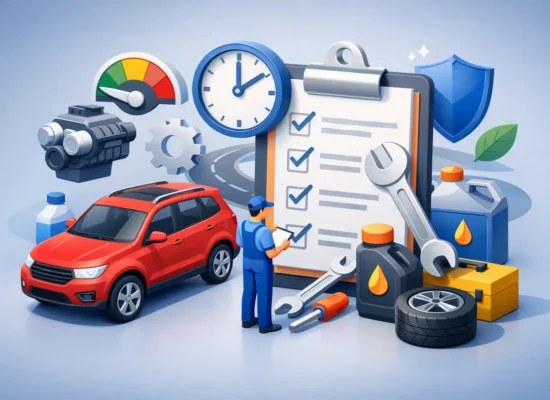
Start by keeping a service record for every vehicle. Include the vehicle identification number, current mileage, typical daily use, recent repairs, tire size, and the date of its last oil change, brake inspection, fluid service, and battery test. A simple spreadsheet works well for a small fleet. The goal is to know what each vehicle needs before a dashboard light or unusual noise forces a decision.
Follow the manufacturer maintenance schedule as your baseline, then adjust for how the vehicle actually works. A pickup used for occasional client visits has different needs than a van that idles at job sites, carries tools, and makes frequent short trips. Stop-and-go driving, heavy loads, long idle periods, high heat, and rough roads can all call for more frequent inspections.
The Fleet Vehicle Care Guide: What to Check Regularly
A dependable routine has daily driver checks, monthly walk-arounds, and scheduled professional inspections. The checks do not need to take long, but they should be consistent. Drivers are often the first people to notice a change in how a vehicle sounds, handles, brakes, or starts.
Before the Vehicle Leaves
Ask drivers to take a quick look at the tires, lights, mirrors, windshield, and area beneath the vehicle. They should report warning lights, low tire pressure, fluid spots, slow cranking, brake squeal, pulling while braking, vibration, or a new burning smell right away.
This is not meant to turn employees into technicians. It gives them a simple way to flag concerns while they are still manageable. A small coolant leak, for example, may be a quick repair when caught early. Ignoring it can lead to overheating and possible engine damage.
Every Month
Check tire condition and pressure, including the spare if the vehicle has one. Tires that are underinflated wear faster, reduce fuel economy, and can affect handling in heavy rain. Uneven tread wear may point to an alignment, suspension, or braking issue that deserves attention.
Also check wiper blades, washer fluid, exterior lights, battery terminals, and cargo-area condition. In South Florida, sun, heat, and sudden rainstorms are hard on batteries, rubber components, wipers, and air conditioning systems. Clear visibility and reliable cooling are practical safety needs, especially for drivers spending full days on the road.
At Scheduled Service Visits
Routine oil and filter changes are the foundation, but they are not the full maintenance plan. A complete visit may include checking brake pads and rotors, tire wear and alignment, suspension components, belts, hoses, fluid levels and condition, battery health, filters, exhaust components, and air conditioning performance.
The right interval depends on the vehicle and its use. Some fleets may need oil service based on mileage, while others should consider engine hours because of extended idling. A qualified technician can help set intervals that make sense for your operating conditions rather than applying one schedule to every vehicle.
Pay Attention to the Systems That Cause Downtime
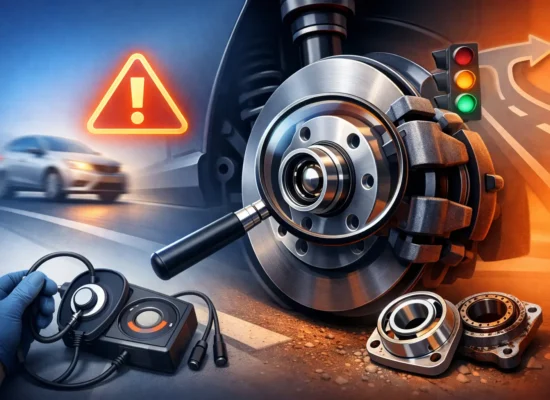
Certain systems deserve extra attention because they can take a vehicle out of service quickly. Brakes are an obvious priority. Do not wait until a driver reports grinding or a brake warning light appears. Soft pedal feel, vibration, pulling, squealing, or longer stopping distances should be inspected promptly.
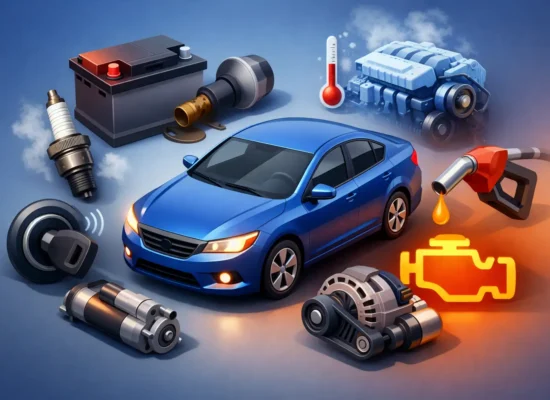
Batteries and charging systems are another common source of lost time. Heat can shorten battery life, and a vehicle that starts normally one day may struggle the next. Testing the battery, alternator, and starter during preventive service is less disruptive than arranging a tow after a no-start situation.
Cooling systems matter just as much in Florida. Watch for rising temperature readings, low coolant, sweet odors, leaks, or a heater that behaves differently than normal. Overheating can escalate fast, especially under load. Prompt diagnostics protect the engine and give you a better chance of keeping repair costs under control.
Transmission service, steering, suspension, and wheel alignment should not be overlooked simply because the vehicle is still moving. Harsh shifting, delayed engagement, wandering, shaking, or uneven tire wear are signs to schedule an inspection. Continuing to drive may be possible for a short time, but it can increase the repair scope and create a safety issue.
Make Driver Reporting Easy and Specific
Drivers may avoid reporting a minor issue because they do not want to lose the vehicle for the day or create extra work. That hesitation is understandable, but it can be costly. Set a clear expectation that reporting a concern is part of protecting the business, not a reason to blame someone.
Use plain descriptions instead of asking drivers to diagnose the problem. Useful reports sound like: the van vibrates at highway speed, the brake pedal feels softer than last week, the air conditioning stops cooling after an hour, or the engine takes longer to start in the morning. Include when the issue happens, whether it is constant or intermittent, and whether any warning lights appear.
That information helps a repair shop diagnose the concern more efficiently. It also helps you decide whether the vehicle can stay in service until an appointment or should be parked immediately.
Control Costs Without Skipping Necessary Work
Fleet care should be cost-conscious, but the cheapest repair is not always the lowest-cost decision. Delaying a worn belt, brake repair, or tire replacement can create a larger failure and greater downtime. On the other hand, replacing parts solely because of age, without inspection or a clear reason, may not be the best use of your budget.
Ask for a clear explanation of what is urgent, what should be planned soon, and what can be monitored. A trustworthy shop should explain the condition, the recommended repair, and the likely consequences of waiting in language you can use to make a business decision.
When multiple vehicles need service, plan ahead where possible. Rotate maintenance appointments so the whole fleet is not unavailable at once. Keep a record of repeat repairs and operating costs by vehicle. If one vehicle consistently needs major work, comparing its repair history against replacement costs can help you make a practical decision before it becomes a constant interruption.
Choose Service That Works Around Your Business
For a small fleet, convenience has real value. A shop that can schedule same-day appointments when available, communicate clearly, and provide pick-up and drop-off can reduce disruption for your drivers and office staff. It is also helpful to work with technicians who service all makes and models, especially when your fleet includes a mix of vehicles.
CJ Auto Services provides preventive maintenance, diagnostics, mechanical repair, tire and brake service, air conditioning work, fluid services, and detailing for local vehicles. ASE-certified technicians and a 100% parts and labor warranty give business owners a practical level of confidence when their vehicles need attention.
The best fleet plan is the one your team can follow. Keep records current, encourage early reporting, schedule maintenance before problems become emergencies, and treat every inspection as a chance to protect the people and customers who depend on your vehicles.