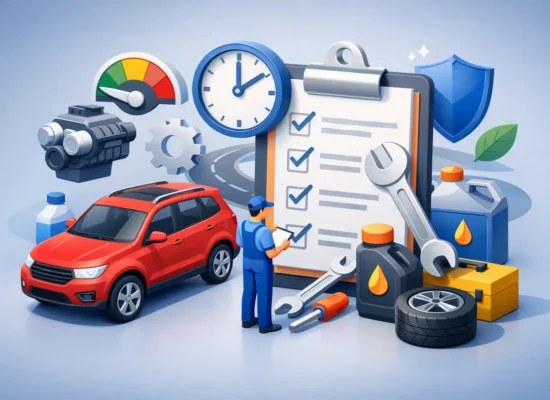
That flat tire on I-95 or a dead battery in a hotel parking lot usually is not bad luck. It is often a small issue that was easy to miss at home and a major problem once you are hours away from Boynton. If you are wondering how to keep your car road trip ready, the goal is simple – catch wear early, handle routine maintenance on time, and avoid gambling on a vehicle that is already asking for attention.
A road trip puts different stress on your car than everyday driving. Long highway stretches, stop-and-go traffic, summer heat, heavy cargo, and extra passengers all add load. Even a vehicle that feels fine on your normal commute can start showing weak points when it is asked to do more for longer.
How to Keep Your Car Road Trip Ready Before You Leave
The best time to prepare for a trip is not the night before. Give yourself at least a week if possible. That leaves room to handle anything unexpected, whether that is a worn belt, a low battery, or tires that are more worn than they looked in the driveway.
Start with the basics your car depends on every day: oil, coolant, brake fluid, transmission fluid if applicable, and windshield washer fluid. If your next oil change is coming up soon, it usually makes sense to take care of it before a long drive instead of trying to squeeze a few extra miles out of old oil. The same goes for filters. A clogged engine air filter or cabin air filter may not stop the trip, but it can make your vehicle run less efficiently and your drive less comfortable.
Tires deserve extra attention because they affect safety, fuel economy, ride quality, and braking. Check tread depth, look for uneven wear, and confirm the tire pressure matches the vehicle recommendation, not the maximum printed on the tire sidewall. If you are loading up for vacation, remember that weight changes how your tires perform. A tire that is already marginal around town may not be a good candidate for several hundred highway miles in South Florida heat.
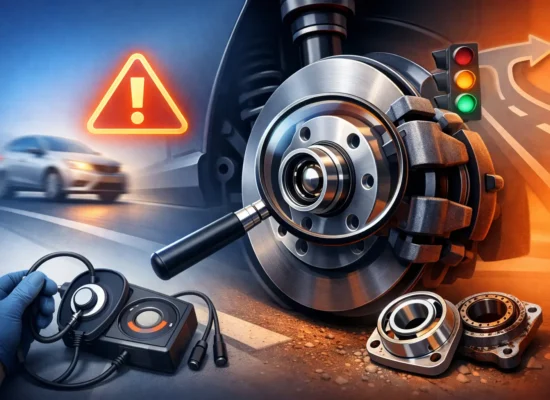
Your brakes should feel predictable and quiet. If you have noticed squeaking, grinding, vibration, or a soft brake pedal, do not assume it can wait until after the trip. Brake issues rarely improve with more miles. The same idea applies to steering and suspension. If the car pulls, bounces too much, or feels unstable over bumps, it is worth checking before you leave.
The Most Common Trouble Spots on a Road Trip
A lot of breakdowns start with parts that were already weakening. Batteries are a common example, especially in hot climates. Heat can be hard on battery life, and many drivers do not realize their battery is struggling until the engine cranks slowly one morning. If your battery is older or your starts have been inconsistent, testing it before a trip is a smart move.
Cooling system problems are another major issue. If a hose is cracked, coolant is low, or the radiator is not doing its job, a long drive can turn that into an overheating problem fast. That is one of those repairs that can move from manageable to expensive quickly. Catching it early matters.
Belts and hoses are easy to overlook because they are not something most people think about until they fail. But if a belt is worn or a hose is soft, brittle, or leaking, highway driving can expose the problem. This is where a professional inspection helps. Some wear is obvious. Some only shows up to an experienced eye.
Then there is the air conditioning. In South Florida, a weak A/C system is not a minor inconvenience, especially if you are traveling with children, pets, or older passengers. If your air is not blowing cold, your system cycles strangely, or airflow is poor, it is worth addressing before your trip instead of hoping it holds out.
Road Trip Readiness Is More Than Oil and Tires
Drivers often focus on the engine and forget the practical things that make travel smoother. Your lights should all work, inside and out. That includes headlights, brake lights, turn signals, and hazard lights. Visibility is not just about seeing the road. It is also about making sure other drivers can see you.
Your wiper blades should clear the windshield cleanly without streaking or chattering. Florida storms can move in fast, and worn blades can make heavy rain a lot more stressful than it needs to be. Top off washer fluid and make sure the sprayers work properly.
Take a look at the condition of your spare tire too. Many drivers carry one for years without checking pressure or condition. If you end up needing it, you want it to be usable. Make sure the jack and lug wrench are in the vehicle and that you know where the wheel lock key is if your car has one.
It also helps to keep a few essentials in the car: a phone charger, flashlight, bottled water, basic first-aid supplies, and jumper cables or a jump pack. These are not substitutes for maintenance, but they can make a frustrating delay easier to manage.
When a Warning Light Changes the Plan
A dashboard warning light right before a trip puts drivers in a tough spot. Sometimes it is something minor. Sometimes it is the only early sign of a larger issue. The problem is that you usually cannot tell by guessing.
A check engine light, battery light, temperature warning, or brake warning should not be brushed off before a road trip. Even if the car seems to drive normally, modern vehicles can store faults that point to performance, emissions, charging, or sensor problems. Some issues are safe to monitor for a short time. Others can affect fuel economy, drivability, or long-distance reliability.
This is one of those situations where it depends on the code, the symptoms, and the condition of the vehicle overall. If you are already behind on maintenance, hearing a new noise, or seeing more than one warning sign, delaying service usually raises the risk.
How to Keep Your Car Road Trip Ready All Year
The easiest way to prepare for travel is not to treat it like a once-a-year event. Vehicles that stay current on maintenance are much easier to trust on longer drives. That means regular oil changes, fluid checks, brake inspections, tire rotations, battery testing, and attention to small issues before they become bigger repairs.
This approach also helps with budgeting. Preventive maintenance is usually more predictable and affordable than emergency repairs on the road. It reduces the chance of towing bills, missed hotel reservations, or losing vacation time to a repair shop in an unfamiliar town.
For busy drivers, convenience matters too. If getting your car checked feels like a hassle, it is easy to keep putting it off. That is why many local drivers look for a shop that can fit maintenance into a normal week instead of turning it into a full-day problem. At CJ Auto Services, that customer-first approach matters because people need clear answers, realistic pricing, and service they can actually work into their schedule.
A Quick Check Before You Pack the Car
Once maintenance is handled, do one last walk-around the day before you leave. Check tire pressure when the tires are cold, look under the vehicle for leaks, confirm your fuel level, and make sure nothing feels off during a short test drive. Listen for unusual noises. Pay attention to steering, braking, and acceleration. If something feels different, it is worth taking seriously.
Also think about how you load the vehicle. Overloading can affect braking, tire wear, and handling. Keep heavier items low and secure, and avoid blocking rear visibility if possible. If you use a roof rack or hitch carrier, make sure it is installed correctly and within weight limits.
A road trip should start with confidence, not crossed fingers. A little preparation gives you a better chance of spending your time on the road enjoying the drive instead of dealing with a preventable repair.