A car usually gives you a warning before it leaves you stranded. It may be a squeal when you brake, a slow crank in the morning, a vibration at highway speed, or an A/C system that suddenly does not feel as cold as it should. Preventive maintenance is about catching those small issues early, before they turn into bigger repairs, bigger bills, and bigger disruptions to your day.
For most drivers, vehicle care is not about knowing every part under the hood. It is about having confidence that your car will start, stop, steer, and run the way it should when you need it. That is why routine service matters. A well-maintained vehicle is safer, more dependable, and usually less expensive to own over time than one that only gets attention when something breaks.
What preventive maintenance really means
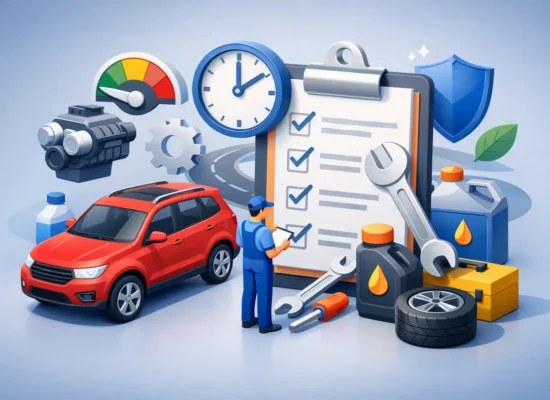
Preventive maintenance is the regular inspection and service of key vehicle systems to reduce wear, catch developing problems, and help prevent breakdowns. That includes familiar services like oil changes, tire rotations, filter replacements, brake inspections, and fluid checks. It also includes keeping an eye on parts that wear gradually, such as belts, hoses, batteries, suspension components, and brakes.
The goal is not to replace parts early for no reason. The goal is to service the vehicle at the right time, based on mileage, age, driving habits, and manufacturer recommendations. There is a difference. Good maintenance is practical, not excessive.
That matters because every driver uses a vehicle differently. A commuter who sits in traffic every day in South Florida heat puts different stress on a car than someone who mostly drives short local trips. A family SUV carrying kids, groceries, and weekend gear has different needs than a work truck or a lightly used sedan. Maintenance schedules should reflect real-world use, not guesswork.
Why preventive maintenance saves money
The biggest reason drivers put off service is simple: they are trying to avoid spending money today. That is understandable. But delaying maintenance often turns a manageable service visit into a more expensive repair later.
A neglected oil change can lead to premature engine wear. Worn brake pads can damage rotors. Driving on underinflated or unevenly worn tires can shorten tire life and affect handling. Ignoring a weak battery can leave you stuck at the worst possible time. Small problems tend to spread. What starts as one worn part can place extra strain on nearby components.
There is also the cost you do not see on an invoice. Missed work, canceled plans, towing bills, and last-minute transportation all add up. For busy families and working professionals, the convenience of avoiding a breakdown is part of the value.
Preventive maintenance also helps protect resale value. If you plan to keep your vehicle for years, maintenance supports longevity. If you plan to sell or trade it in, a well-cared-for vehicle is easier to value and easier to trust.
The systems that deserve the most attention
Some maintenance items are obvious because they come up often. Others are easy to overlook until they become a problem. Oil and filter changes are a good example of a basic service that still does a lot of heavy lifting. Clean oil helps reduce engine wear, control heat, and keep internal components lubricated properly.
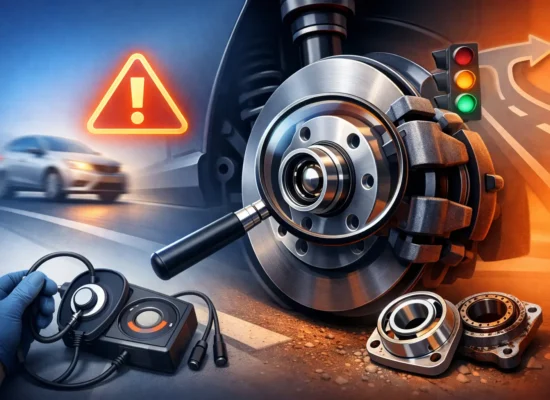
Brake service is another area where timing matters. Waiting until brakes are grinding is never a good strategy. Regular inspections can catch worn pads, rotor issues, and fluid concerns before braking performance is affected.
Tires deserve more attention than they usually get. Rotation, pressure checks, and alignment inspections all matter because tires affect traction, steering response, ride quality, and fuel efficiency. Uneven wear can point to suspension or alignment issues that should be addressed early.
Fluid services are also a major part of long-term reliability. Transmission fluid, coolant, brake fluid, and power steering fluid all play a role in protecting major systems. These are not lifetime fluids in the way many people assume. Heat, age, and contamination take a toll.
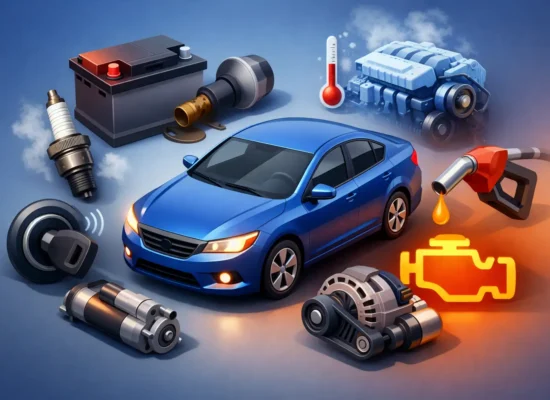
Battery and charging system checks are especially important in Florida. Heat can shorten battery life faster than many drivers expect. If your vehicle is cranking slowly or electrical accessories seem inconsistent, it is smart to have it tested before it fails completely.
Then there are the parts that quietly age in the background, such as belts, hoses, filters, and wiper blades. They may not seem urgent until one fails. A cracked belt, a weak hose, or poor visibility in heavy rain can quickly become a real problem.
Preventive maintenance and safety
There is a financial side to maintenance, but the safety side matters just as much. Your vehicle depends on a long list of systems working together properly. If one starts to fail, the effect can show up in ways that put you and others at risk.
Worn brakes increase stopping distance. Bad tires reduce traction, especially in wet conditions. Suspension problems can affect stability and steering control. Poor visibility from worn wiper blades or dim lights makes driving harder when conditions are already challenging.
Not every safety concern announces itself with a dashboard light. Some show up as subtle changes in how the vehicle feels. Maybe the steering is looser than normal. Maybe the car pulls slightly when braking. Maybe there is a clunk over bumps. These details are easy to ignore when life is busy, but they are often the early signs that something needs attention.
When to schedule preventive maintenance
The short answer is to follow your manufacturer schedule and adjust for your actual driving conditions. The more useful answer is to pay attention to patterns.
If your mileage is climbing quickly, routine services may come due sooner than you expect. If your car is older, age-related wear can become just as important as mileage. If you mostly make short trips, your engine and battery may not get ideal operating conditions on a regular basis.
A good rule is to think in terms of intervals and symptoms. Keep up with scheduled inspections and fluid services, but also do not ignore changes in sound, feel, smell, or performance. If your vehicle is telling you something, it is worth checking before it gets worse.
Seasonal timing can help too. Before summer heat peaks or before a longer road trip, it makes sense to inspect the battery, tires, A/C, fluids, and brakes. A little planning can prevent a lot of frustration.
What good maintenance service should look like
Preventive maintenance only works if the service itself is honest and thorough. Drivers should not have to choose between dealership pricing and a rushed shop experience. What matters most is clear communication, accurate inspection, and recommendations that make sense for the vehicle.
A trustworthy shop explains what is due now, what can wait, and what should be monitored. That kind of transparency matters because not every recommendation is equally urgent. Some services are safety-related and time-sensitive. Others are best planned for the near future. When a shop communicates clearly, customers can make informed decisions without feeling pressured.
Convenience matters too. Same-day appointments, dependable turnaround times, and pick-up and drop-off support can make it much easier to stay on top of maintenance instead of postponing it. For many people, the obstacle is not willingness. It is time.
At CJ Auto Services, that practical approach is a big part of how we help local drivers keep up with vehicle care. The goal is simple: make maintenance easier, explain it clearly, and stand behind the work.
Preventive maintenance is not one-size-fits-all
Some vehicles need more frequent attention in certain areas. European models may have specific fluid requirements. High-mileage vehicles may need closer monitoring of suspension, cooling, or oil consumption. Newer vehicles may go longer between some services, but that does not mean they should be ignored.
Driving style also matters. Hard braking, frequent stop-and-go traffic, heavy loads, and rough roads all increase wear. A maintenance plan should reflect how the vehicle is actually used, not just what is printed on a sticker from years ago.
That is why relationship-based service is valuable. When the same shop sees your vehicle over time, patterns become easier to spot. Minor changes are easier to catch. Recommendations become more precise. That leads to better decisions and fewer surprises.
The best time to think about preventive maintenance is before your car gives you a reason to. A little attention now can save money, protect your safety, and keep your routine on track. If your vehicle has been due for service or just does not feel quite right, getting it checked now is often the easiest way to keep a small issue from becoming a major interruption.


One thought on “Why Preventive Maintenance Pays Off”
Comments are closed.