You press the brake pedal at a red light, and the whole car starts to tremble. Maybe the steering wheel shakes in your hands. Maybe the pedal pulses under your foot. If you have been asking, “why does my car shake when braking,” the short answer is that something in the braking or suspension system is no longer working smoothly – and it should be checked sooner rather than later.
A shaking car during braking is not just annoying. It can change how your vehicle stops, increase wear on other parts, and in some cases point to a safety issue. The good news is that the cause is often identifiable with a proper inspection, and many brake-related problems are straightforward to fix when caught early.
Why does my car shake when braking? The most common causes
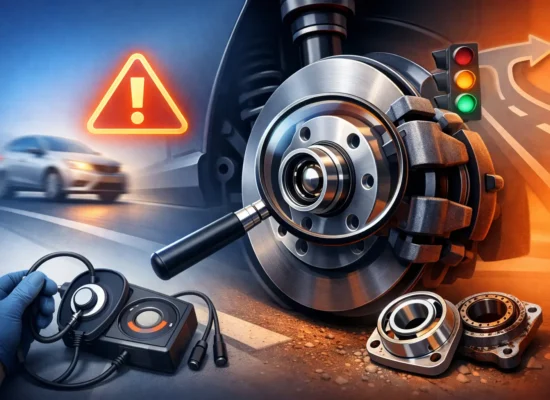
In many vehicles, the most common reason for shaking while braking is uneven brake rotor surfaces. Rotors are the metal discs your brake pads press against to slow the vehicle. When those surfaces wear unevenly or develop hot spots, the pads do not grip them evenly. That creates vibration, especially at higher speeds.
People often call this “warped rotors,” and sometimes that is close enough for everyday conversation. In practice, the issue may be rotor thickness variation, uneven pad transfer, heat damage, or a mounting problem. What matters to you as a driver is the symptom: the car does not brake as smoothly as it should.
Brake pads are another common cause. If the pads are worn down, glazed from overheating, contaminated by fluid or grease, or wearing unevenly, they can create shuddering and noise during braking. In some cases, a vehicle that sat for a while may also develop rust on the rotor surface, which can temporarily cause a rough brake feel.
Sticking brake calipers can also create a shake. A caliper that does not release properly keeps pressure on the brake pad, building excess heat and causing uneven wear. That heat can damage both the pad and rotor, so one bad caliper can turn into a larger brake repair if ignored.
The shake can tell you where to look
What the car does during braking often gives clues about the source of the problem. If the steering wheel shakes most noticeably when you slow down, the issue is often in the front brakes, front suspension, or front tires. Since the steering system is connected up front, vibration there tends to travel right into the wheel.
If you feel the vibration more in the seat or the body of the car than in the steering wheel, the issue could be in the rear brakes or rear suspension. If the brake pedal itself pulses, that often points toward rotor surface problems, though anti-lock braking system activation can also cause a rapid pulsing feel in emergency stops or slippery conditions.
There is some nuance here. More than one issue can be happening at the same time. A vehicle may have brake rotor problems and worn suspension parts, or brake pad issues combined with tire imbalance. That is why a real inspection matters more than guessing based on one symptom alone.
Brake problems are not the only possibility
If you are wondering why does my car shake when braking, it is smart to think beyond the brake system too. Sometimes braking simply puts extra load on parts that are already loose or worn, which makes a separate issue more noticeable.
Worn suspension components are a good example. Ball joints, tie rod ends, control arm bushings, and wheel bearings all help keep the vehicle stable. When those parts develop play, braking can trigger vibration or front-end shimmy that feels like a brake problem. The same goes for alignment issues, especially if the vehicle already pulls to one side.
Tires can contribute as well. A tire with uneven wear, internal damage, a separated belt, or an out-of-balance condition may feel worse during braking. Bent wheels can do the same. In South Florida, where potholes, curbs, and road debris are part of everyday driving, wheel and tire damage is not unusual.
Engine and transmission mounts are a less common cause, but they can sometimes add to the sensation of shaking when the vehicle slows down. If a mount is worn out, the movement of the drivetrain may become more noticeable under load changes.
When it feels minor and when it is not
A light amount of surface rust after rain or overnight parking can cause a brief rough feel on the first few stops. That may clear up quickly and not come back. But repeated shaking, especially if it gets worse at highway speeds or happens every time you brake, is not something to write off.
Pay attention if the shaking comes with squealing, grinding, a burning smell, longer stopping distances, or the vehicle pulling left or right. Those signs usually mean the issue has moved beyond minor wear. Grinding in particular can mean the brake pads are worn down enough that metal is contacting metal, which can damage the rotors fast.
If the brake warning light or ABS light comes on, that also deserves prompt attention. The car may still stop, but it may not stop the way it was designed to in a hard-braking situation.
Why waiting usually costs more
Brake problems tend to spread. Pads that wear unevenly can damage rotors. A sticking caliper can overheat nearby parts. A vibration that starts small can put extra stress on suspension and steering components over time. What might have started as a manageable brake service can become a longer repair visit if ignored for too long.
There is also the safety side. Brakes are one of those systems where “good enough for now” is not a great strategy. If your vehicle is shaking while braking, you want to know whether you are dealing with routine wear or something that could affect control and stopping distance.
How a shop should diagnose a car that shakes during braking
A proper diagnosis should start with a road test and a visual inspection, not a quick guess. The technician should check brake pad thickness and wear patterns, rotor condition, caliper operation, tire wear, wheel condition, and key suspension and steering components.
In some cases, the shop may measure rotor thickness and runout to confirm whether the rotor surface is uneven. That helps separate actual brake rotor problems from vibration caused by tires, bearings, or suspension wear. If the vehicle shakes only at certain speeds or only under harder braking, that detail matters too.
This is also where honesty matters. Not every shaking issue requires replacing every brake part on the car. Sometimes front brakes are the main problem. Sometimes the brakes are fine and the real issue is in the suspension. Clear communication and realistic recommendations make all the difference.
What the repair might involve
The repair depends on the cause. If the front rotors and pads are worn or heat-damaged, replacement may solve the problem. If a caliper is sticking, the caliper may need service or replacement along with the damaged brake components. If the vibration is tied to worn tie rods, bushings, or wheel bearings, those parts need attention before the vehicle will feel stable again.
Some drivers ask whether rotors should be resurfaced or replaced. The answer depends on rotor thickness, condition, and manufacturer specifications. In many cases, replacement is the better long-term value, especially when heat damage or uneven wear is significant. A cheaper short-term option is not always the one that gives the smoothest braking or the best lifespan.
If the issue involves tires or wheels, the fix may be balancing, alignment, tire replacement, or wheel repair. The important thing is to address the actual source rather than treating every vibration as a brake pad problem.
How to reduce the chances of it happening again
Brake shake is not always preventable, but a few habits help. Routine brake inspections catch uneven wear before it becomes severe. Replacing pads on time protects the rotors. Fixing caliper issues early prevents heat damage. And if you feel new vibration after a hard stop, long downhill drive, or towing, it is worth having the brakes checked before the problem sets in.
It also helps to stay on top of tire rotations, alignments, and suspension wear. Braking smoothness depends on more than just pads and rotors. Vehicles stop best when the whole system – tires, steering, suspension, and brakes – is working together the way it should.
At CJ Auto Services, this is the kind of issue that deserves a thorough look, not a rushed guess. If your car starts shaking when you brake, trust what it is telling you. A small vibration today is often your best chance to fix the problem before it turns into a bigger repair tomorrow.