A South Florida summer can expose a small vehicle issue fast. A weak battery may fail after a hot afternoon. Worn tires can lose grip during the first heavy rain. An air conditioner that was merely “not as cold as it used to be” can become a miserable commute. The best maintenance checks before summer driving focus on the systems that work hardest in heat, traffic, and sudden downpours.
You do not need to wait for a dashboard warning light or a roadside breakdown to take action. A practical seasonal inspection gives you time to address wear on your terms, understand what your vehicle needs, and avoid putting a vacation, workday, or family errand at risk.
Best Maintenance Checks Before Summer Driving in South Florida
Summer driving in the Boynton area is different from driving in a mild climate. High temperatures place extra demand on your cooling system, battery, tires, and air conditioning. Frequent afternoon rain also makes tire condition, brakes, wipers, and exterior lights especially important.
A complete check is not about replacing parts that still have useful life. It is about identifying the items that are worn, leaking, weak, or overdue so repairs can be planned realistically. The right priority depends on your vehicle’s age, mileage, maintenance history, and any symptoms you have noticed.
Check the cooling system before heat finds a weak point
Your engine creates a tremendous amount of heat every time you drive. Coolant carries that heat away, while the radiator, fans, hoses, thermostat, water pump, and pressure cap all play a role in keeping temperatures under control. In heavy traffic, there is less airflow through the radiator, so the cooling fan system becomes even more important.
Look for coolant stains beneath the vehicle, a sweet odor after driving, a temperature gauge that climbs higher than usual, or a low coolant warning. Do not simply top off coolant repeatedly and assume the problem is solved. A low level can point to a leak, and mixing the wrong coolant types can create its own problems.
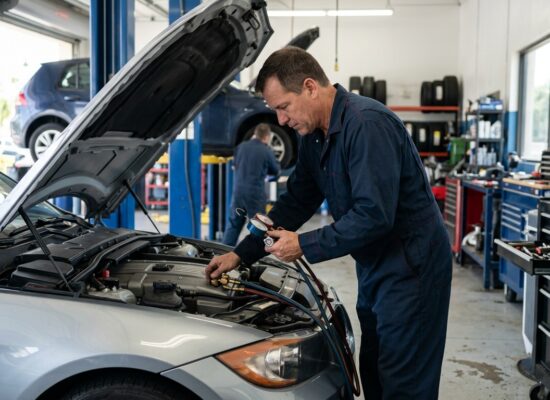
A technician can inspect hoses for swelling or cracking, test the coolant’s condition, check for leaks, and confirm that fans engage when they should. If your manufacturer recommends a coolant exchange at a certain interval, summer is a sensible time to make sure it is not overdue.
Make sure the air conditioning is actually ready
Your air conditioning system is more than a comfort feature when temperatures and humidity rise. It helps keep the cabin manageable during long commutes, reduces windshield fogging during rain, and makes it easier for drivers to stay alert.
If the air is weak, warm, inconsistent, or noisy, have it inspected before the hottest part of the season. The cause could be low refrigerant, but it could also involve a leak, compressor issue, blower motor problem, electrical fault, clogged cabin air filter, or a door inside the HVAC system that is not directing air correctly. Adding refrigerant without diagnosing the system can provide only a temporary fix and may miss the actual cause.
A clean cabin air filter also matters. In South Florida, pollen, dust, and humidity can clog it faster than many drivers expect. Replacing a restricted filter can improve airflow, though it will not fix a mechanical AC problem.
Test the battery and charging system
Many drivers associate battery failure with cold weather, but summer heat is rough on batteries. High temperatures accelerate internal wear and can shorten battery life, particularly when a battery is already several years old. Stop-and-go driving, short trips, and constant AC use can add more strain.
A proper battery test checks more than voltage. It measures the battery’s ability to deliver power under load and verifies that the alternator is charging correctly. Corroded terminals, loose connections, or damaged cables can also cause slow starts and electrical issues.
If your engine cranks slowly, you need frequent jump-starts, the battery case looks swollen, or the battery is approaching the end of its expected service life, schedule a test soon. Replacing a weak battery at the shop is much easier than finding out it has failed in a parking lot.
Tires, Brakes, and Visibility for Summer Rain
Hot pavement and wet roads are a demanding combination. The tire and brake checks that feel optional during dry weather become safety priorities when rain starts falling hard.
Inspect tire tread, pressure, and condition
Tires lose grip as tread wears down, especially on wet pavement. Water needs somewhere to go as the tire rolls, and shallow tread cannot channel it away as effectively. That increases the chance of hydroplaning, longer stopping distances, and reduced control.
Check all four tires for uneven wear, sidewall cracks, bulges, embedded objects, and low tread. Do not forget the spare if your vehicle has one. Uneven tire wear may point to an alignment, suspension, or tire-pressure concern, so replacing tires without checking the cause can lead to the same problem again.
Check tire pressure when the tires are cold and use the pressure listed on the driver-side door placard, not the number molded onto the tire sidewall. Heat can raise pressure after driving, which is why a reading taken after a long trip is not the best baseline. Proper inflation supports handling, tread life, and fuel economy.
Pay attention to brake feel and brake fluid
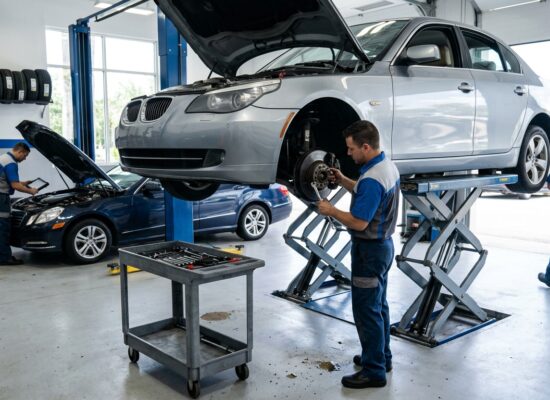
Rain magnifies brake problems. If you hear grinding or squealing, feel vibration through the pedal or steering wheel, notice a soft pedal, or find that the vehicle pulls while braking, have it inspected promptly. These symptoms can involve pads, rotors, calipers, brake hoses, or other components, and they should not be ignored until a routine oil change.
Brake fluid also deserves attention. It absorbs moisture over time, which can reduce performance and contribute to internal corrosion. Whether it needs service depends on the manufacturer’s schedule and its condition, not a one-size-fits-all calendar. A clear inspection helps separate necessary maintenance from a generic recommendation.
Replace worn wipers and check exterior lights
A sudden summer storm is not the time to discover that your wipers streak, chatter, or leave large sections of glass untouched. Wiper blades are inexpensive, but clear visibility is invaluable. Refill windshield washer fluid and make sure the washer nozzles spray correctly.
Ask someone to help check headlights, brake lights, turn signals, reverse lights, and hazard lights. Cloudy headlight lenses or burned-out bulbs reduce your ability to see and be seen when rain and low light arrive together.
Fluids, Oil, Belts, and Everyday Reliability
Engine oil, transmission fluid, power steering fluid on applicable vehicles, and other fluids each have different service intervals and specifications. The best approach is to inspect levels and condition, then follow the vehicle manufacturer’s recommendations rather than treating every fluid service as automatically due.
An oil change is a good opportunity to look beyond the oil itself. A technician can check for leaks, inspect the oil filter area, and review whether your driving habits qualify as severe service. Short trips, heavy traffic, high heat, towing, and frequent idling can affect maintenance needs.
Belts and hoses should also be inspected for cracks, glazing, fraying, looseness, and contamination. A damaged serpentine belt can affect the alternator, water pump, power steering system, or AC operation, depending on the vehicle. Catching wear early is usually far less disruptive than dealing with a belt failure on the road.
Do Not Ignore Steering and Suspension Changes
Your steering and suspension help your tires stay planted and help you remain in control over potholes, standing water, and uneven roads. Clunking noises, excessive bouncing, a wandering steering wheel, vibration, or a vehicle that pulls to one side all deserve a professional inspection.
Some drivers assume these issues are simply part of owning an older car. They are not always an emergency, but they can accelerate tire wear and make wet-weather handling less predictable. The repair may be as straightforward as an alignment, or it may involve worn shocks, struts, ball joints, bushings, or other steering components. Inspection comes before assumptions.
A Simple Way to Plan Your Summer Service
Start with anything that affects safety or could leave you stranded: overheating, weak battery performance, poor tires, brake concerns, or warning lights. Next, address comfort and visibility issues such as weak AC, worn wipers, and faulty lights. Then review maintenance items based on your mileage and service records.
If you are unsure what has been done recently, bring any records you have. A trustworthy shop can help build a sensible plan instead of pushing every possible service at once. At CJ Auto Services, ASE-certified technicians can inspect the systems that matter most for summer driving, explain findings in plain language, and help you prioritize repairs with transparent pricing.
Before summer gets fully underway, give your vehicle the same attention you give your travel plans. A few well-timed checks can mean cooler commutes, safer rain driving, and fewer surprises when you need your car most.