If your car feels a little slower to start, rougher at idle, or less responsive than it used to be, you may be asking, what does a car tune up include? The short answer is that a tune-up is not one single fixed service anymore. On modern vehicles, it usually means inspecting and replacing the wear items that affect engine performance, fuel efficiency, drivability, and reliability.
That matters because many drivers still picture a tune-up as something every car gets on the same schedule. In reality, the work depends on your make, model, mileage, driving habits, and the symptoms your vehicle is showing. A proper tune-up should be based on what your car actually needs, not a one-size-fits-all package.
What does a car tune up include on most vehicles?
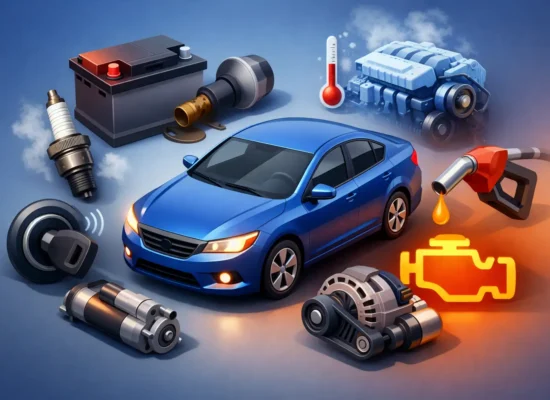
On most cars, a tune-up centers on the parts that help the engine breathe, ignite fuel, and run smoothly. That often includes spark plugs, ignition components when applicable, air filters, and a general inspection of systems tied to performance.
For newer vehicles, spark plugs are usually the main replacement item. Many modern engines use long-life plugs, so they may not need service as often as older cars did. Even so, worn plugs can lead to misfires, reduced gas mileage, hard starts, sluggish acceleration, and a check engine light.
Air filters are another common part of a tune-up. A dirty engine air filter can restrict airflow and make the engine work harder than it should. Replacing it is simple, but it can make a noticeable difference in how efficiently the engine runs.
Depending on the vehicle, a tune-up may also involve checking or replacing ignition coils, plug wires on older models, the fuel filter if it is serviceable, and the PCV valve. Technicians may inspect the throttle body, battery condition, fluid levels, and scan for stored engine trouble codes as well. The goal is to catch small performance issues before they turn into bigger repairs.
A modern tune-up is different from an old-school tune-up
Years ago, tune-ups were more routine and more mechanical. Cars often needed distributor cap service, rotor replacement, ignition timing adjustment, and more frequent spark plug changes. Many newer vehicles no longer use those same components, so the term tune-up has changed.
Today, a tune-up is usually less about manual adjustment and more about replacing worn ignition and airflow parts while checking the engine management system. That is why two drivers can both ask for a tune-up and end up with different recommendations. One car may only need spark plugs and a filter. Another may need coils, diagnostic testing, or related maintenance to solve a drivability problem.
This is also where honest service matters. If a shop says you need a tune-up, they should be able to explain exactly which parts are worn, why they matter, and whether the recommendation is based on mileage, symptoms, or manufacturer schedule.
Common services included in a tune-up
The exact list varies, but there are a few services that come up more than others.
Spark plug replacement
Spark plugs create the spark that ignites the air-fuel mixture in the engine. When they wear down, combustion becomes less consistent. You may notice rough idling, slower starts, reduced power, or poorer fuel economy. Replacing worn spark plugs is often the core of a tune-up.
Ignition system inspection
If your vehicle uses ignition coils, coil boots, or plug wires, those parts may be inspected for cracks, wear, or weak performance. A bad coil can mimic spark plug problems, so it is smart to check the full ignition system instead of replacing parts blindly.
Air filter inspection or replacement
An engine needs clean airflow to run efficiently. If the air filter is clogged with dirt and debris, performance can suffer. This is one of the simpler parts of a tune-up, but it supports the bigger goal of smooth, efficient operation.
Fuel system checks
On some vehicles, tune-up service may include inspecting fuel delivery-related items or recommending fuel system cleaning if there is evidence of buildup. This is not necessary in every case, but it can help when deposits are affecting performance.
Diagnostic scan and visual inspection
A good tune-up is not just parts replacement. It should include a basic assessment of how the engine is operating. That may mean scanning for trouble codes, checking for vacuum leaks, looking at hoses and belts, and identifying related issues that could cause similar symptoms.
What a tune-up usually does not include
A lot of drivers assume a tune-up covers every maintenance item under the hood. Usually, it does not. Oil changes, transmission service, coolant flushes, brake work, and tire service are separate jobs unless they are scheduled together.
That said, there can be overlap. If your car is due for a tune-up and an oil change at the same time, many shops will handle both during the same visit. The benefit is convenience and a more complete look at the vehicle. For busy families and commuters, that saves time and helps prevent maintenance from falling through the cracks.
Signs your car may need a tune-up
Sometimes the schedule tells you it is time. Other times, the car tells you first.
If you notice rough idle, engine hesitation, misfiring, reduced gas mileage, trouble starting, or a loss of power when accelerating, it may be time to have the engine checked. A flashing or steady check engine light is another sign not to wait.
Still, these symptoms do not always mean the answer is a tune-up. A bad sensor, fuel delivery issue, vacuum leak, or battery problem can cause similar complaints. That is why inspection and diagnosis matter. Replacing tune-up parts only helps if those parts are actually the problem.
How often should you get a tune-up?
This depends on the vehicle and the parts it uses. Some older vehicles need tune-up-related service more often. Many newer cars can go much longer between spark plug replacements, sometimes 60,000 to 100,000 miles or more.
The best starting point is your owner’s manual. If your car is not showing symptoms, the manufacturer maintenance schedule is usually the most reliable guide. If it is showing symptoms, you should have it inspected sooner rather than later.
South Florida driving can also affect timing. Heavy traffic, frequent short trips, heat, and stop-and-go driving can all add stress over time. A car that spends a lot of time idling or commuting may need closer attention than mileage alone suggests.
Why tune-ups are worth doing on time
A delayed tune-up can cost more than most drivers expect. Worn spark plugs can strain ignition coils. Misfires can hurt fuel economy and performance. In some cases, ongoing misfires can even damage other emissions-related components.
Keeping up with tune-up service helps your engine run cleaner, smoother, and more efficiently. It also gives a technician a chance to spot developing issues before they become inconvenient breakdowns. That matters if you depend on your vehicle every day for work, school, errands, or running a small business.
For many drivers, peace of mind is the biggest benefit. You want to know your car will start, drive safely, and not surprise you with a preventable problem next week.
What to expect from a trustworthy shop
When you ask what does a car tune up include, the right answer should be specific to your vehicle. A trustworthy shop will explain what is recommended now, what can wait, and what is required by the manufacturer versus what is suggested based on wear.
That kind of transparency helps you avoid dealership-style upselling and generic repair packages. It also gives you a better sense of value. If a technician shows you that your spark plugs are worn, your filter is clogged, or your ignition system is causing a misfire, you can make an informed decision with confidence.
At CJ Auto Services, that practical approach is how local drivers stay ahead of avoidable problems without paying for work they do not need. Same-day appointments and convenient pick-up and drop-off also make it easier to handle maintenance before minor issues grow into major ones.
A tune-up is really about restoring the engine’s ability to do its job well. If your car is due by mileage or simply not running like it should, getting it checked now can save you time, money, and frustration later.