That sharp squeal when you back out of the driveway or slow down at a light gets your attention fast. A brake repair after squealing example usually starts the same way – a driver hears a high-pitched noise, wonders if it is urgent, and wants a clear answer before the problem turns into a more expensive repair.
The truth is, squealing brakes do not always mean the same thing. Sometimes the fix is simple. Sometimes the noise is the first warning that your brake pads are worn down and your rotors may be next. The key is catching the cause early, before stopping performance drops or repair costs climb.
A real brake repair after squealing example
Here is a common situation we see with everyday drivers. A customer notices a squeal during light braking, especially in morning traffic. The vehicle still stops, and the brake pedal feels normal, so it is easy to put off. After a few days, the sound gets louder and starts happening more often.
In a brake repair after squealing example like this, the first step is not guessing. It is a proper inspection. A technician checks pad thickness, rotor condition, caliper movement, hardware wear, brake fluid condition, and whether the noise happens from the friction material itself or from a wear indicator contacting the rotor.
In many cases, the problem is worn brake pads. Most pads are built with a small metal indicator that creates a squealing sound when the pad material gets low. That sound is there on purpose. It is meant to tell you the brakes need service before metal-on-metal contact starts damaging the rotors.
If the driver comes in soon enough, the repair may only involve new pads and hardware, along with rotor resurfacing if the rotors are still within specifications. If the vehicle stays on the road too long, the pads can wear through completely, the rotors can become deeply scored, and the repair grows from a maintenance service into a more involved brake job.
Why brakes squeal in the first place
Brake noise is not always a sign of failure, but it should never be ignored. There are a few common reasons for squealing, and each one has a different repair path.
Worn brake pads
This is one of the most common causes. As brake pads thin out, the wear indicator makes contact and creates a sharp noise. That is your early warning. If addressed quickly, you can often prevent heavier rotor damage.
Glazed pads or rotors
Heat changes brake surfaces. If pads or rotors become glazed from repeated high temperatures, they can create noise even when there is still some pad life left. In that case, the repair depends on how severe the glazing is and whether the surfaces can still perform safely.
Rust or moisture buildup
South Florida drivers may hear squealing after the vehicle sits overnight or during humid weather. Light surface rust can form on the rotors and create temporary noise during the first few stops. If the sound disappears quickly, that is often less serious. If it stays, it is worth checking.
Hardware or caliper issues
Brake hardware helps pads move and release correctly. If clips, shims, or caliper slides are worn or sticking, the brakes can make noise even when the pads are not fully worn out. This is one reason a visual inspection matters more than assumptions.
What happens during brake inspection and repair
When a customer comes in for squealing brakes, the goal is not just to silence the noise. The goal is to find out whether the vehicle can still stop safely and what repair makes the most sense based on current wear.
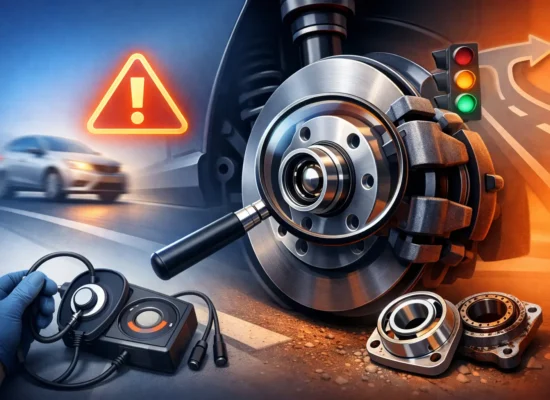
A technician will usually remove the wheels and inspect the brake pads, rotors, calipers, and related hardware. Measurements matter here. Pad thickness can show whether replacement is due now or very soon. Rotor condition shows whether the surface is smooth, heat-spotted, grooved, or below minimum thickness.
Brake fluid may also be checked, especially if the vehicle has not had brake service in a long time. Fluid condition affects overall system performance, and in some cases, a full brake service includes addressing fluid contamination along with pad and rotor concerns.
If the front brakes are squealing, that does not automatically mean the rear brakes are fine. A good inspection looks at the full system. Many drivers only notice noise from one area, but uneven wear can happen for several reasons, including driving habits, sticking calipers, or older components on one axle.
When squealing is a quick fix and when it is not
This is where honesty matters. Not every squeal means you need every brake component replaced. But not every noisy brake can be fixed with a shortcut either.
If the squeal comes from early pad wear and the rotors are still in usable condition, the repair may be relatively straightforward. Replacing pads and worn hardware early usually costs less than waiting.
If the rotors are damaged, warped, heavily grooved, or too thin, they should be replaced. Trying to save a rotor that is no longer serviceable can lead to vibration, poor braking, uneven pad wear, and repeat visits. That is not good value for the driver.
There are also cases where premium brake materials or vehicle design affect noise. Some brake compounds are naturally a little noisier than others. Performance and heavy-duty applications can be especially sensitive. In those situations, the repair approach may involve balancing quiet operation, stopping power, and long-term wear.
Why waiting usually costs more
A lot of drivers delay brake service because the car still stops. That is understandable, especially when work schedules are full and the noise has not turned into a major problem yet. But brake squeal is often the window where you still have options.
Once the friction material wears away too far, the metal backing plate can contact the rotor. That creates grinding, damages the rotor quickly, and can affect caliper performance too. At that point, what might have been a pad replacement becomes a larger repair with more parts and labor.
There is also the safety side. Longer stopping distances, pulling while braking, vibration in the pedal, and reduced control in wet traffic are all risks when brake problems progress. For families, commuters, and anyone driving busy Boynton roads every day, that is not something to gamble with.
How to tell if your squealing brakes need immediate attention
Some brake noise can wait a day or two for an appointment. Some should be checked right away.
If the squeal is constant, louder than usual, or paired with grinding, pulling, shaking, warning lights, or a soft brake pedal, the vehicle should be inspected as soon as possible. Those signs suggest the issue may be beyond simple pad wear.
If the sound only happens briefly on a damp morning and disappears after a few stops, it may be minor surface rust. Even then, if it starts happening regularly or gets worse, it is smart to have it looked at. Brake issues rarely improve on their own.
Choosing the right repair shop matters
Brake work is one of those services where clear communication matters just as much as the parts installed. Drivers want to know what is worn, what can wait, and what should be handled now. They also want to avoid being pushed into unnecessary work.
That is why many local drivers prefer an independent shop that explains repairs in plain language, offers realistic pricing, and stands behind the result. At CJ Auto Services, brake inspections are handled with that mindset – identify the cause, recommend what the vehicle actually needs, and help customers get back on the road with confidence.
Convenience matters too. If your brakes are squealing, it helps to have same-day appointment options and practical support that makes the repair easier to fit into your day. That kind of service turns a stressful car problem into something manageable.
The best next step after brake squealing
The best response to brake noise is simple: do not wait for it to become a grinding sound. A brake repair after squealing example shows how much difference timing makes. Catch it early, and you may be looking at a routine service. Put it off, and the repair often gets bigger, more expensive, and less convenient.
If your vehicle has started squealing when you brake, treat it like the warning it is. A quick inspection now can protect your safety, your schedule, and your wallet later.